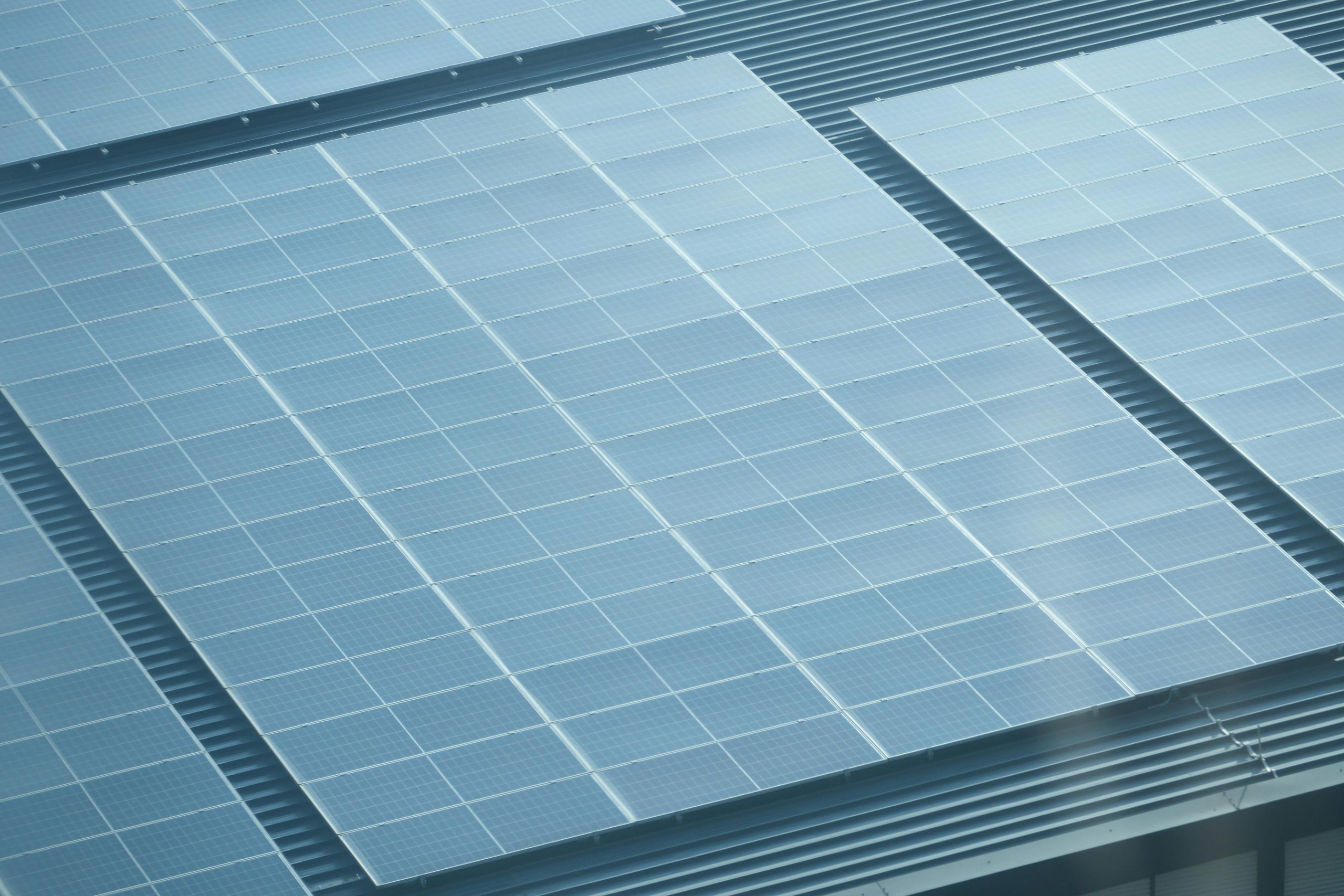
- Solar panels can be installed on most metal roofs, and metal roofs are often considered one of the best roof types for solar due to their durability and lifespan.
- Standing seam metal roofs are the easiest and safest for solar installation, because clamp mounts can attach without drilling, reducing the risk of leaks.
- Corrugated or non-seam metal roofs typically require penetrating mounts, which involve drilling and sealing — increasing the importance of professional installation to prevent leaks.
- Metal roofs generally outlast solar panels, so they reduce the likelihood of needing a roof replacement during the system’s lifetime.
- Metal roofs are strong and weather-resistant, providing a stable base for solar panels and performing well in high winds, hail, and extreme temperatures.
- Costs can vary based on roof type and mounting method, with clamp mounts often costing more but offering long-term benefits like fewer roof penetrations and reduced leak risk.
- Proper installation is critical, as incorrect mounting hardware or poor sealing can cause damage or void roof warranties, especially on older or coated metal roofs.
Considering a switch to solar power often leads to questions about roof compatibility. The straightforward answer is yes: solar panels can be installed on a metal roof. In fact, metal roofs are often considered one of the best roof types for solar installation, which makes them a strong contender when homeowners ask what roof is best for solar panels. But like anything, there are pros and cons, and the costs can vary depending on the type of metal roof and the mounting system used.
In this guide, we’ll break down everything you need to know about installing solar panels on a metal roof, including the benefits, potential downsides, installation methods, and cost factors.
Why Are Metal Roofs Popular for Solar Panels?
Metal roofs are durable, long-lasting, and often easier to work with than shingles. That’s why many homeowners with metal roofs are good candidates for solar panels.
Here’s why metal roofs are a strong option for solar:
- Long lifespan: Many metal roofs last 40–70 years.
- Durability: Metal roofs handle extreme weather better than many other roof types.
- Heat reflection: Metal reflects sunlight, which can help reduce cooling costs.
- Less roof replacement worry: Solar panels can last 25–30 years, so you want a roof that can last as long.
Because of these advantages, metal roofs are frequently seen as a smart long-term investment for solar.
Can You Put Solar Panels on a Metal Roof? The Quick Answer
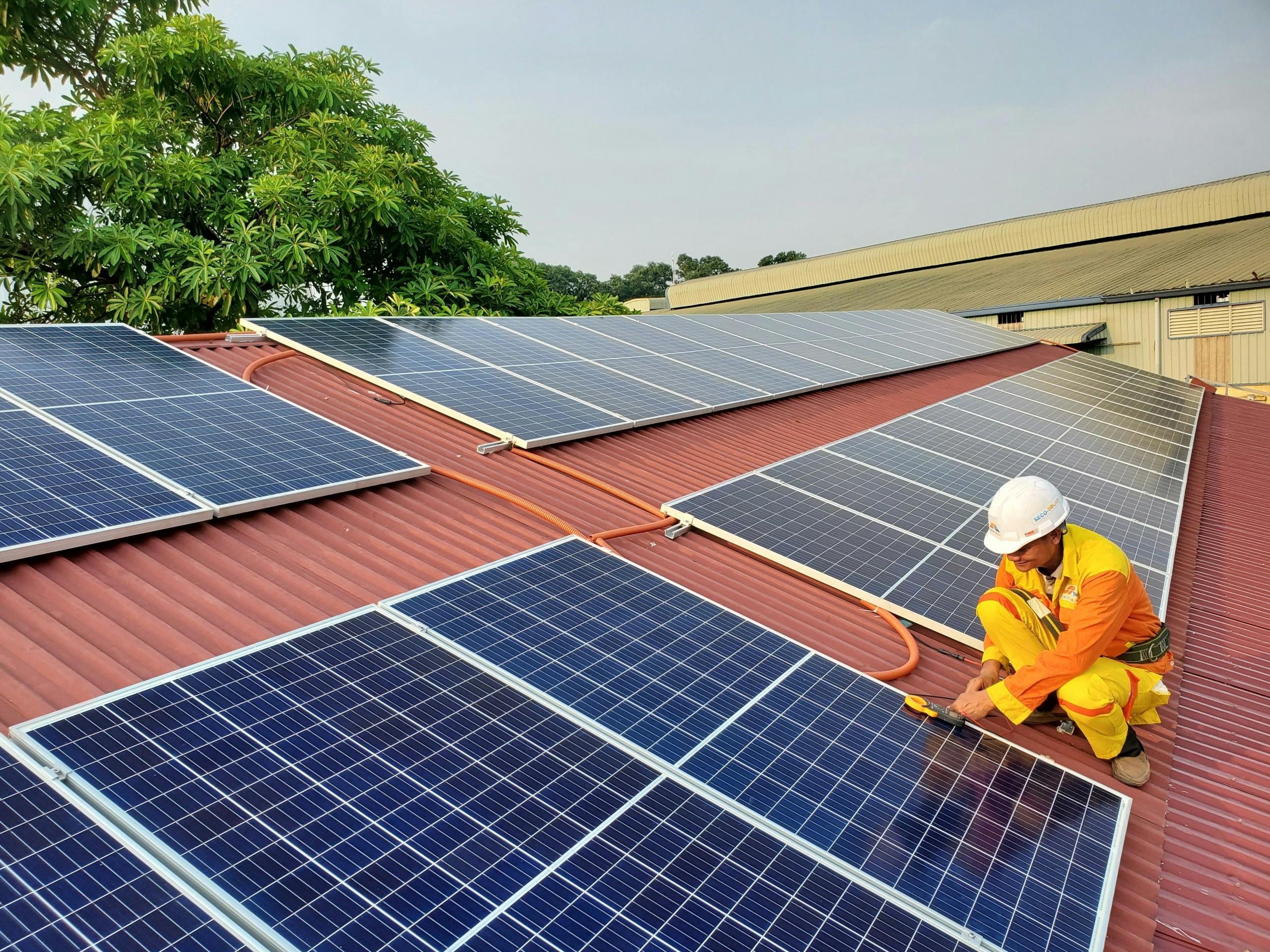
Yes, you can put solar panels on a metal roof — but the installation method matters.
There are two main types of metal roofs:
- Standing seam metal roofs
- Metal roofs with seams that require drilling (like corrugated metal)
The good news is that both types can support solar panels. The main difference is how the panels are mounted.
What Is the Best Way to Mount Solar Panels on a Metal Roof?
There are a few common mounting methods, and the best one depends on your roof type, slope, and the way your metal panels are installed. The goal is to attach the solar system securely without compromising the roof’s integrity.
1. Clamp Mounts (Best for Standing Seam Roofs)
Standing seam metal roofs have raised seams that run vertically from the ridge to the eaves. These seams are strong, continuous, and provide a perfect anchor point for solar panels.
Clamp mounts attach directly to these seams without drilling into the roof. Instead of penetrating the metal, the clamps grip the seam and hold the rail system in place.
Benefits of clamp mounts:
- No roof penetrations: Since you’re not drilling holes, there’s less chance of leaks or water damage.
- Minimal risk of leaks: With no penetrations, you avoid the common weak point where water can seep in.
- Faster installation: Installers can attach clamps quickly without having to seal and waterproof penetrations.
- Cleaner look: Clamp mounts can be less visually intrusive, keeping the roof’s appearance neat.
2. Penetrating Mounts (Used for Corrugated or Non-Seam Metal Roofs)
If your metal roof doesn’t have standing seams, like corrugated or ribbed metal panels, the most common option is a penetrating mount. This method requires drilling through the metal and securing the mounting brackets directly to the roof structure underneath.
Installers typically use specially designed bolts with rubber or EPDM gaskets to seal the penetration and prevent leaks.
Benefits:
- Works on most metal roof types: This method is flexible and can be used on many roof profiles.
- Secure and reliable when installed correctly: When properly sealed, penetrating mounts can be just as sturdy as clamp mounts.
Downside:
- Higher risk of leaks if not installed properly: The key is proper sealing. Poor installation can lead to water intrusion over time.
- More time and labor: Sealing each penetration adds time to the installation process.
3. Ballasted Mounts (Rare for Residential)
Ballasted mounts use weight to hold the solar panels in place instead of drilling into the roof. This method is most commonly used on flat roofs, where the panels sit on concrete blocks or other heavy bases.
On pitched metal roofs, ballasted mounts are uncommon because gravity and wind loads can make the system less stable unless it’s designed specifically for the roof’s angle.
When ballasted mounts are used:
- Mostly on flat commercial metal roofs
- Rarely on residential metal roofs
- Sometimes used in areas with strict roof-penetration restrictions
What Are the Pros of Putting Solar Panels on a Metal Roof?
Metal roofs are among the most solar-friendly roofing materials, but they’re not perfect. Here are the biggest advantages that make them a popular choice.
1. Metal Roofs Last Longer Than Solar Panels
Solar panels typically last 25–30 years. Many metal roofs last 40–70 years, depending on the material and maintenance. This means you’re far less likely to need a roof replacement during the life of your solar system.
Why this matters:
- Replacing a roof after solar installation can be costly and time-consuming.
- Metal roofs reduce the chance of having to remove and reinstall panels later.
2. Metal Roofs Are Stronger and More Durable
Metal roofs are built to withstand tough weather conditions. They’re often rated for high wind speeds and can handle severe storms better than many other roof types.
Metal roofs can handle:
- Heavy wind
- Hail
- Snow loads
- Extreme heat
That means your solar panels sit on a stable, strong base that won’t degrade quickly.
3. Metal Roofs Often Require Fewer Roof Penetrations
Standing seam metal roofs allow for clamp mounts, which means no drilling is required. This is a major advantage because roof penetrations are the most common cause of leaks and roof damage.
Why fewer penetrations matter:
- Less risk of leaks
- Faster installation
- Lower chance of long-term maintenance issues
4. Metal Roofs Are Energy Efficient
Metal reflects sunlight instead of absorbing it, which can help reduce heat buildup inside your home. This is especially useful in hot climates where cooling costs are high.
When combined with solar panels:
- Your roof stays cooler
- Your panels may operate more efficiently in some climates
- You may see better energy savings overall
What Are the Cons of Putting Solar Panels on a Metal Roof?
While metal roofs are excellent for solar, there are still a few downsides to consider before you commit.
1. Not All Metal Roofs Are the Same
Some metal roofs are ideal for solar, while others are more challenging. Standing seam roofs are the easiest because they allow clamp mounts. Corrugated or ribbed roofs may require penetrating mounts, which means drilling into the roof.
What this means for homeowners:
- You may need a more customized mounting system.
- Some roofs may require extra labor or materials.
2. Cost Can Be Higher Depending on Mounting
Clamp mounts for standing seam roofs are often more expensive than standard racking systems. That said, the extra cost can be worth it because you avoid roof penetrations and reduce the risk of leaks.
Cost factors to consider:
- Mounting hardware
- Labor specialized for metal roofing
- Roof access and safety requirements
3. Heat Expansion and Contraction
Metal expands and contracts with temperature changes. Over time, this movement can cause wear and stress on mounting hardware if it’s not designed to accommodate it.
Potential issues:
- Fasteners loosening over time
- Increased stress on roof seams or panels
- Extra maintenance if mounting hardware isn’t compatible
4. Roof Coatings Can Be Damaged
Older metal roofs often have protective coatings to prevent rust and wear. During installation, if installers aren’t careful, these coatings can be scratched or damaged.
Why this matters:
- Damage to coatings can lead to corrosion over time
- It may reduce the roof’s lifespan
- Repairing coatings can be expensive
How Much Does It Cost to Install Solar Panels on a Metal Roof?
The cost varies based on several factors, including:
- Roof type
- Roof pitch and height
- Solar system size
- Mounting type
- Local labor costs
Here’s a general breakdown:
Typical Solar Panel Cost (Without Roof Type Considered)
- Average cost per watt: $2.50–$3.50
- Typical residential system size: 5–10 kW
- Average total cost: $12,500–$35,000 before incentives
Additional Costs for Metal Roofs
- Clamp mounts (standing seam): Typically higher than standard racking
- Penetrating mounts: Similar to standard systems but require more specialized labor
- Potential roof repairs: If the roof is old or damaged
Will Solar on a Metal Roof Cost More?
It depends, but many homeowners find the long-term benefits outweigh the upfront cost.
Can Solar Panels Damage a Metal Roof?
Solar panels themselves don’t damage a metal roof — but poor installation can cause issues.
Common causes of damage include:
- Incorrect mounting hardware
- Poor sealing around penetrations
- Using the wrong bolts or fasteners
- Poorly designed mounting system for expansion and contraction
To prevent damage, make sure you hire an installer experienced with metal roofs.
What Should You Ask Your Installer Before Installing Solar on a Metal Roof?
Before you sign a contract, ask these questions:
- Do you have experience installing solar on metal roofs?
- What mounting system will you use?
- Will there be any roof penetrations?
- How will you prevent leaks?
- Do you offer a workmanship warranty?
- What is the expected lifespan of the mounting hardware?
What About Roof Warranty and Solar?
Some metal roof warranties can be voided if improper mounting is used. That’s why it’s important to:
- Use the correct mounting hardware
- Ensure proper sealing
- Choose an installer who knows metal roofs
Is a Metal Roof Better Than Shingles for Solar?
In many cases, yes.
Metal Roof Advantages Over Shingles:
- Longer lifespan
- Stronger durability
- Easier mounting with standing seams
- Less risk of needing roof replacement during solar system life
Shingle Roof Advantages:
- Often cheaper upfront
- More common, so installers may be more familiar
Final Verdict: Can You Put Solar Panels on a Metal Roof?
Yes, you can put solar panels on a metal roof, and in many cases it’s actually one of the best roof types for solar installation. Metal roofs are durable, long-lasting, and often compatible with clamp-mounted systems that avoid drilling, which reduces the risk of leaks. While some metal roofs require penetrating mounts and can cost more upfront, the overall durability and lifespan of metal make it a smart long-term choice. The key is choosing the right mounting method and hiring an installer experienced with metal roofing to ensure the job is done correctly and your roof warranty stays intact.