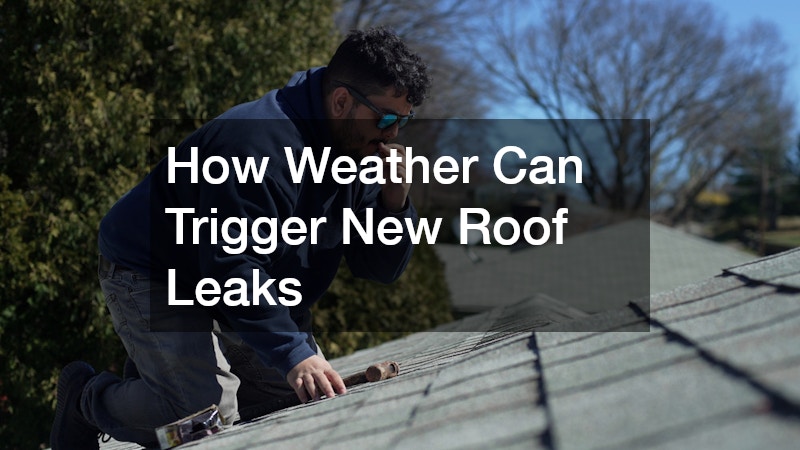
Understanding the relationship between weather patterns and the integrity of your roof is crucial for preventing new roof leaks and maintaining a safe, comfortable home environment. Many homeowners assume that leaks occur only in older roofs, but even recently installed roofs can develop problems if weather conditions are extreme or persistent. Residential roofing companies frequently encounter cases where roofs that were installed correctly still show signs of leakage after storms, heavy rainfall, or unusual temperature swings. Beyond just water damage, new roof leaks can compromise insulation, allowing cold or hot air to penetrate living spaces, which in turn can increase energy costs and impact home comfort.
Insulation companies often emphasize the importance of proper insulation and crawl space insulation in protecting homes from moisture-related damage. Without adequate insulation, water from new roof leaks can seep into ceilings, walls, and floors, leading to mold growth, structural issues, and higher repair costs. Similarly, general contractors and building contractors recognize that early detection and preventative measures are key in reducing the long-term risks associated with roof leaks. Home construction experts, home appraisers, and real estate professionals alike understand that a single leak can impact property value. By examining how weather influences roof performance, homeowners can work with insulation services and residential roofing companies to safeguard their investments and minimize the likelihood of damage caused by environmental conditions.
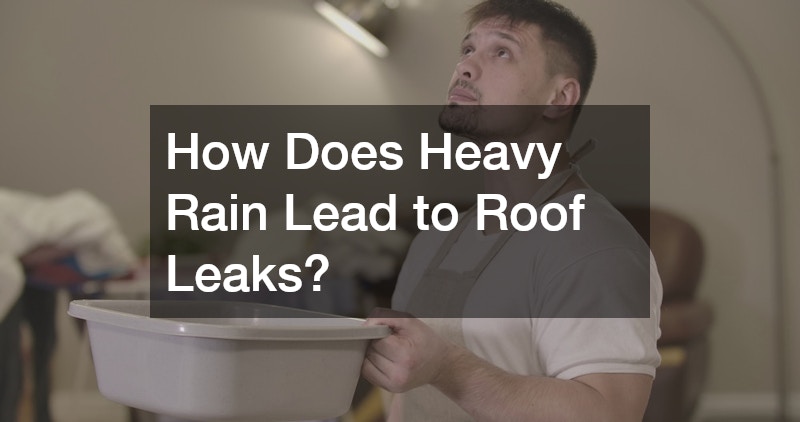
How Does Heavy Rain Lead to Roof Leaks?
Impact of Water Accumulation on Shingles
When rainwater collects on the roof instead of draining properly, shingles can become saturated and begin to warp or lift. This is particularly concerning when the roof lacks adequate underlayment or when insulation has gaps that allow moisture to seep into the structure. Insulation companies often recommend reinforcing roof decks with moisture-resistant barriers to complement shingles and reduce the risk of water infiltration. Over time, persistent water accumulation can lead to deterioration of shingles, exposing the interior to new roof leaks that may compromise home construction integrity.
Role of Gutter Blockages in Roof Leaks
Gutters play a critical role in diverting rainwater away from a roof and foundation. Blocked gutters can cause water to pool on the roof or overflow along edges, creating conditions conducive to new roof leaks. Residential roofing companies often stress the importance of regular gutter cleaning and inspection as part of routine maintenance. Homeowners working with general contractors or building contractors may also consider adding gutter guards or downspout extensions to ensure proper water flow, ultimately reducing the likelihood of leaks and preserving insulation effectiveness in crawl spaces.
Structural Vulnerabilities Exposed by Rain
Heavy rainfall can also expose pre-existing structural weaknesses that might otherwise go unnoticed. For instance, improperly installed flashing around chimneys, vents, or skylights can allow water to penetrate and create new roof leaks. Insulation services that address crawl space insulation can also identify areas where water damage might compromise the overall thermal performance of the home. By collaborating with residential roofing companies, general contractors, and insulation companies, homeowners can identify vulnerabilities and implement preventative solutions that safeguard both the roof and the home’s interior.
Can Windstorms Damage Roofing Materials?
Types of Roof Damage Caused by Windstorms
Windstorms can cause shingles to curl, tear, or detach entirely. They may also loosen flashing or ridge caps, creating entry points for water. Insulation companies emphasize that when wind lifts roofing material, water can penetrate beneath the roof covering and compromise insulation, including crawl space insulation, leading to energy inefficiency and potential mold growth. New roof leaks caused by wind damage often appear around roof edges, valleys, and penetrations, making early detection critical for homeowners, home appraisers, and real estate professionals concerned with property value.
Prevention Measures Against Wind Damage
Preventative measures, such as installing wind-resistant shingles and ensuring proper nail placement, are essential in minimizing damage. Building contractors and general contractors often recommend reinforcing vulnerable areas and inspecting roof anchors to reduce the risk of new roof leaks during high-wind events. Regular inspections from residential roofing companies can catch minor wind-related issues before they escalate into more significant problems that impact insulation services or require expensive repairs.
Assessing Roof Vulnerability to High Winds
Certain roof designs are more vulnerable to wind damage than others. Steep slopes, complex layouts, and roofs with multiple penetrations are at higher risk for lifted shingles and flashing failures. Insulation services paired with thorough inspections can identify areas where crawl space insulation might also be affected by wind-driven water intrusion. By understanding these vulnerabilities, homeowners can collaborate with residential roofing companies and general contractors to reinforce roofing systems, reducing the likelihood of new roof leaks and maintaining home construction integrity.
Do Temperature Fluctuations Affect Roof Integrity?
Effect of Thermal Expansion and Contraction on Roofs
All roofing materials are subject to thermal movement. Asphalt shingles, metal roofing, and synthetic materials expand during heat and contract in cooler conditions. Over time, this movement can loosen fasteners, shift shingles, and create entry points for water. Residential roofing companies recommend installing flexible underlayments and proper flashing to accommodate thermal stress, which reduces the risk of new roof leaks and protects crawl space insulation from moisture intrusion.
Vulnerable Materials to Temperature Changes
Certain roofing materials are more sensitive to temperature changes than others. For example, clay tiles may crack under repeated expansion, and asphalt shingles can lose granules, decreasing water resistance. Insulation companies and general contractors often suggest complementary insulation solutions to reduce thermal stress, helping maintain roof integrity and minimize the development of new roof leaks over time. Properly designed home construction considers both material resilience and insulation performance in mitigating temperature-related damage.
Insulation’s Role in Mitigating Temperature Effects
Insulation plays a crucial role in moderating temperature extremes inside the home. Crawl space insulation and other forms of insulation services not only improve energy efficiency but also protect the roof structure from condensation and temperature-driven stress. When insulation is properly installed, it helps prevent water from seeping through compromised areas, reducing the likelihood of new roof leaks. Home construction experts and residential roofing companies often coordinate efforts to ensure insulation and roofing systems work together seamlessly to protect the home from temperature-induced damage.
Why Do Snow and Ice Contribute to Roof Leaks?
Ice Dams and Their Impact on Roofs
Ice dams occur when heat escaping from the home melts snow on the roof, which then refreezes at the edges. This trapped water can seep under shingles, creating new roof leaks and potentially damaging insulation. Insulation services can help mitigate ice dam formation by ensuring consistent attic temperatures and preventing warm spots that accelerate snowmelt. Residential roofing companies often recommend proper ventilation and insulation in combination with durable shingles to minimize the risk of ice dam-induced leaks.
Weight of Snow and Structural Strain
Heavy snow can place immense pressure on the roof, particularly flat or low-slope designs. This weight can cause roof decks to sag, fasteners to loosen, and flashing to shift, all of which contribute to new roof leaks. Building contractors and general contractors stress that regular inspection and timely snow removal can prevent structural damage and extend the life of the roof. Proper insulation also helps distribute thermal loads more evenly, reducing stress caused by uneven snowmelt.
Best Practices for Snow and Ice Management
Homeowners can protect their roofs by clearing excessive snow, using ice melt systems, and maintaining proper attic insulation. Insulation companies often highlight that crawl space insulation and attic insulation play a pivotal role in preventing leaks by keeping roof temperatures consistent and preventing moisture infiltration. Residential roofing companies and building contractors may also recommend installing ice shields or water-resistant barriers in vulnerable areas to reduce the risk of new roof leaks caused by snow and ice accumulation.
How Does Hail Influence Roof Damage?
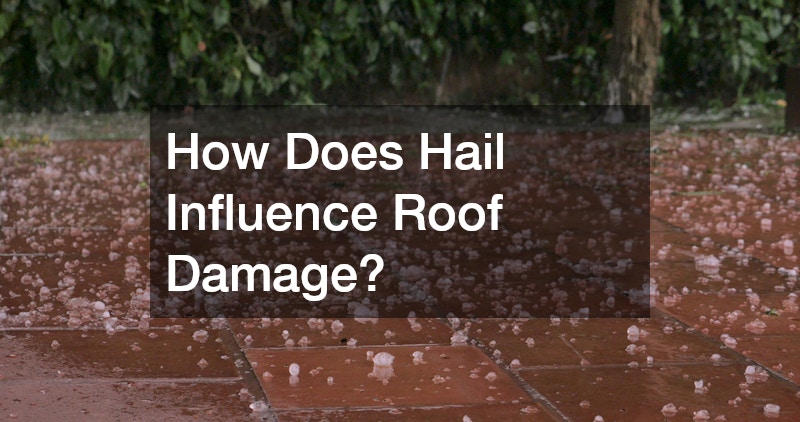
Identifying Hail Damage on Various Roof Types
Different roofing materials respond differently to hail impact. Asphalt shingles may lose granules, metal roofs can dent, and tile roofs may crack. Identifying hail damage promptly is crucial because even minor cracks or lifted shingles can lead to new roof leaks. Building contractors often collaborate with residential roofing companies and home appraisers to assess damage accurately, ensuring homeowners have a clear understanding of potential risks and repair costs. Insulation services also inspect affected areas to prevent water from reaching crawl space insulation, which could otherwise compromise home energy efficiency.
Long-Term Effects of Hail on Roof Longevity
Repeated exposure to hail can shorten a roof’s lifespan by creating small but persistent weaknesses. Even if leaks don’t occur immediately, damaged shingles or roofing components can allow water to penetrate over time, resulting in new roof leaks. General contractors recommend periodic inspections after hail events to monitor for early signs of deterioration. Proper insulation helps reduce internal temperature variations, which can slow the expansion of cracks and mitigate the long-term effects of hail damage. Residential roofing companies often advise combining immediate repairs with preventative insulation measures to protect home construction integrity.
Hail-Resistant Materials and Their Benefits
Using hail-resistant materials can dramatically reduce the likelihood of damage. These materials include impact-rated shingles, reinforced metal roofing, and durable tiles. While initial costs may be higher, the investment protects both the roof and underlying insulation, preventing new roof leaks and minimizing potential repairs. Insulation companies emphasize that well-insulated homes paired with durable roofing materials experience fewer internal moisture issues, reducing long-term energy costs and preserving the home’s structural integrity.
What Role Do Humidity Levels Play in Roofing Issues?
Moisture Accumulation and Mold Growth
Persistent humidity can result in water accumulation in roof cavities, which may lead to new roof leaks if unnoticed. This moisture can degrade shingles, underlayment, and flashing over time. Insulation services stress that properly installed insulation, including crawl space insulation, can act as a barrier against excess moisture, preventing mold growth and maintaining indoor air quality. Homeowners, general contractors, and building contractors should consider humidity control as part of routine roof maintenance to minimize leakage risk.
Impact of Humidity on Roof Decking
High humidity can weaken roof decking by causing wood to swell or warp, creating gaps where water can enter. Residential roofing companies often inspect vulnerable areas, such as roof valleys and joints, to ensure that decking remains solid. Properly installed insulation helps maintain consistent internal temperatures, reducing condensation and preventing water from penetrating the roof system. New roof leaks related to humidity may not be obvious initially, so regular inspections are essential to detect early signs of water intrusion.
Strategies for Controlling Humidity Impact
Controlling humidity involves both insulation and ventilation strategies. Crawl space insulation combined with adequate attic ventilation helps maintain a dry, temperature-controlled environment, reducing the potential for new roof leaks. Residential roofing companies may also recommend vapor barriers and dehumidifiers in extreme cases to protect insulation and roof decking. General contractors often emphasize that moisture management is critical not only for leak prevention but also for prolonging the life of home construction materials.
Can UV Radiation Cause Roof Leaks?
Effects of Sun Exposure on Different Roofing Materials
Asphalt shingles can become brittle under intense UV radiation, while metal roofs may lose protective coatings, accelerating corrosion. Tile and composite materials can fade or crack, increasing vulnerability to new roof leaks. Residential roofing companies often recommend UV-resistant coatings and high-quality roofing materials to prevent these issues. Crawl space insulation and attic insulation also play a role in moderating heat transfer, reducing thermal stress on roofing materials, and helping prevent leaks from forming.
Protective Measures Against UV Degradation
Homeowners can protect roofs by using reflective coatings, UV-resistant shingles, and regular inspections from residential roofing companies. General contractors and building contractors often suggest adding protective layers beneath roofing materials to shield insulation and structural components from UV exposure. By proactively addressing UV degradation, homeowners can prevent new roof leaks and extend the overall lifespan of their roof and insulation systems.
Signs of UV Damage to Look Out For
Signs of UV damage include curling shingles, faded colors, cracked tiles, and brittle edges. Residential roofing companies recommend inspecting roofs after prolonged sun exposure to identify early signs of deterioration. Insulation services can also check crawl spaces for signs of heat-related stress, ensuring that insulation remains effective and that new roof leaks are prevented before they escalate.
Why Do Atmospheric Pressure Changes Matter for Roofs?
Influence of Low Pressure Systems on Roof Leaks
Low-pressure systems, such as those occurring before storms or hurricanes, can cause suction effects on roofs, lifting shingles or loosening flashing. These small openings can quickly turn into new roof leaks if not addressed promptly. General contractors and building contractors often include inspections after low-pressure events as part of routine maintenance to protect home construction and insulation.
Pressure Changes and Their Effect on Roof Seals
Rapid pressure changes can compromise roof seals around vents, chimneys, and skylights. Insulation services emphasize that compromised seals allow water and moisture to infiltrate, potentially affecting crawl space insulation. Residential roofing companies recommend using flexible sealants and high-quality flashing to reduce the risk of new roof leaks caused by atmospheric pressure variations.
Mitigating Pressure-Induced Problems
Preventative measures include reinforcing roof edges, ensuring proper insulation, and regularly inspecting seals. A good building contractor will often coordinate with insulation companies to maintain a dry, secure environment, reducing the likelihood of water damage and energy loss. Proactive steps help protect home construction from weather-related pressures and minimize the development of new roof leaks.
How Can Seasonal Changes Affect Roof Durability?
Common Seasonal Threats to Roofs
Spring rains, summer heat, autumn winds, and winter snow each present unique threats. Water infiltration, thermal expansion, and ice dam formation are among the most common causes of new roof leaks during seasonal changes. General contractors and building contractors work with residential roofing companies to identify vulnerable areas and implement preventive measures, such as reinforcing flashing, inspecting shingles, and upgrading insulation where needed.
Preparing Your Roof for Seasonal Variation
Proper preparation includes cleaning gutters, inspecting shingles, sealing vulnerable joints, and ensuring insulation is in optimal condition. Crawl space insulation and attic insulation should be checked to prevent condensation and moisture buildup. Residential roofing companies often recommend combining these efforts with timely maintenance to reduce the risk of new roof leaks throughout the year.
Seasonal Maintenance Tips to Prevent Leaks
Regular seasonal maintenance can prevent minor issues from becoming major problems. This includes clearing debris, checking for damage, applying protective coatings, and verifying that insulation services are functioning effectively. Home construction that incorporates seasonal planning helps maintain roof durability, reduce energy costs, and prevent new roof leaks from developing due to environmental stresses.
Are There Geographical Factors That Increase Leak Risks?
Climate-Specific Roofing Challenges
Coastal homes may face saltwater corrosion and high winds, while northern regions contend with snow and ice accumulation. Hot, dry climates can accelerate UV degradation, making roofing materials brittle over time. Understanding these climate-specific challenges allows homeowners to take proactive steps in protecting roofs and insulation, reducing the likelihood of new roof leaks and maintaining home construction integrity.
Geographic Risk Assessment for Roofs
Homeowners, residential roofing companies, and home appraisers often conduct geographic risk assessments to identify potential vulnerabilities. These assessments inform decisions on material selection, insulation services, and preventive maintenance strategies. Crawl space insulation and attic insulation can be adjusted to local climate conditions, ensuring that the home remains protected from moisture infiltration and temperature extremes that contribute to new roof leaks.
Crawl space insulation and other forms of insulation services are critical in protecting homes from moisture intrusion and energy loss, ensuring that water damage does not compromise structural integrity. General contractors and building contractors often work hand-in-hand with roofing and insulation experts to identify vulnerabilities and implement effective solutions tailored to each home. Home construction that accounts for weather resilience, proper insulation, and material durability is more likely to withstand environmental stresses, maintain comfort, and preserve property value. Real estate professionals and home appraisers also recognize the importance of well-maintained roofs and insulation, as they directly impact home appraisal and marketability. By taking these proactive steps, homeowners can safeguard their investment, prevent new roof leaks, and ensure their home remains safe, efficient, and comfortable for years to come.