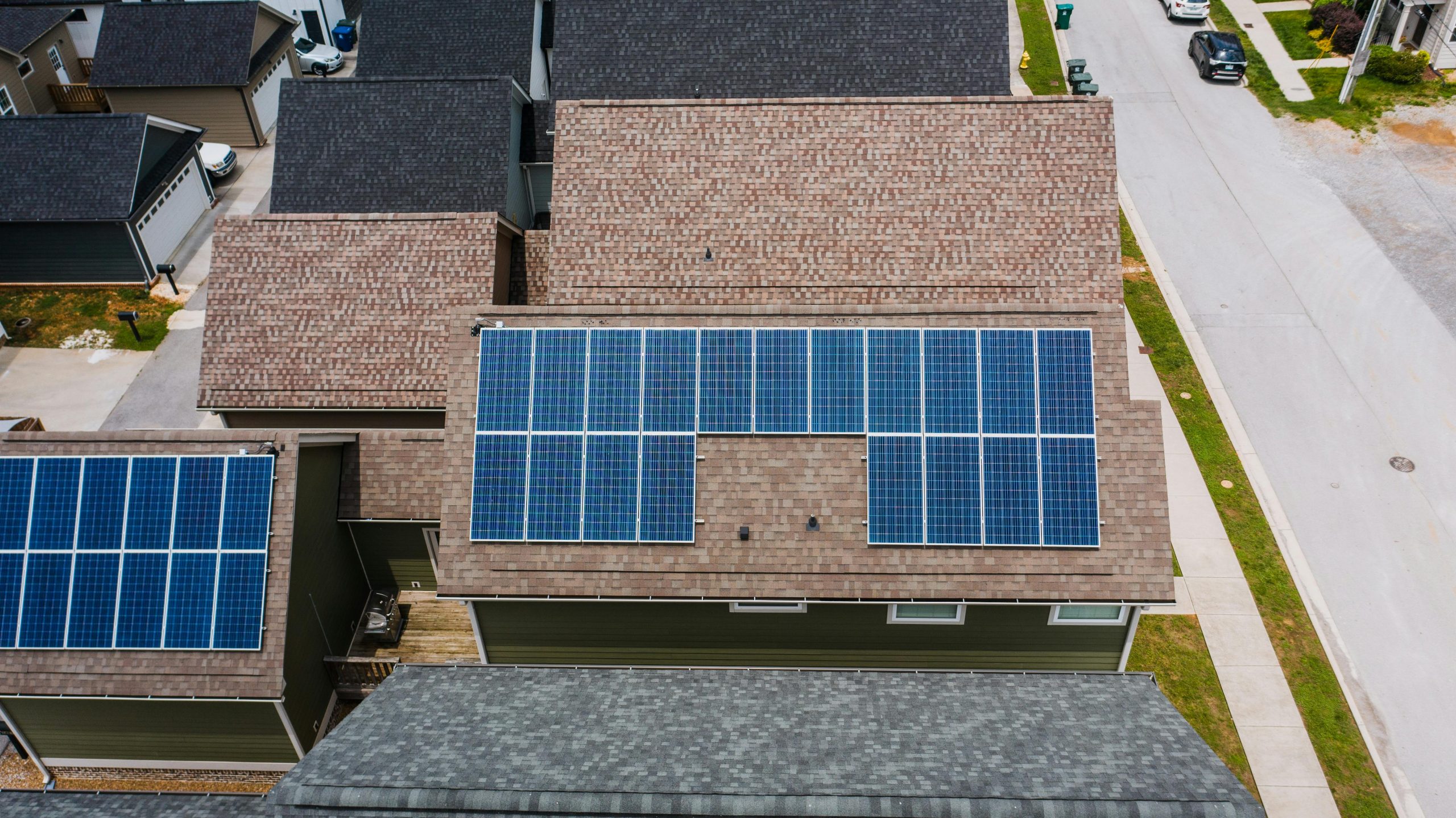
- Your roof determines solar performance, cost, and longevity, so choosing the right roof is as important as choosing the panels themselves.
- Roof material matters: asphalt shingles are cheapest and easiest to install, while metal and tile roofs offer greater durability but higher upfront cost.
- Roof pitch and angle affect energy output—the ideal range is 20°–40°, while very flat or very steep roofs can reduce efficiency and increase installation costs.
- South-facing roofs produce the most energy, but east or west orientations can still work with more panels or optimized systems.
- Shade is a major performance killer, so you should evaluate trees, chimneys, skylights, and nearby buildings before installing solar.
- Roof age and condition are critical: solar panels last 25+ years, so you should avoid installing on a roof that will need replacement soon.
- Best overall roof type for solar is standing seam metal, while asphalt shingles are best for cost, and south-facing roofs with 20°–40° pitch are best for efficiency.
If you’re thinking about installing solar panels, you’re probably wondering: what roof is best for solar panels? It’s one of the most important questions because your roof plays a major role in how well your solar system performs, how much it costs, and how long it will last.
This guide breaks down everything you need to know in simple terms. We’ll cover roof materials, pitch, age, orientation, and the practical considerations that most homeowners overlook. By the end, you’ll know exactly what to look for before investing in solar.
Why Your Roof Matters for Solar Panels
Your roof isn’t just a surface to attach solar panels to. It determines:
- How easy it is to install panels
- How efficiently your system produces electricity
- How long your panels will last
- Whether your roof needs replacement before installation
A good roof for solar panels means less hassle, lower cost, and better performance.
What Roof Is Best for Solar Panels? The Top Factors to Consider
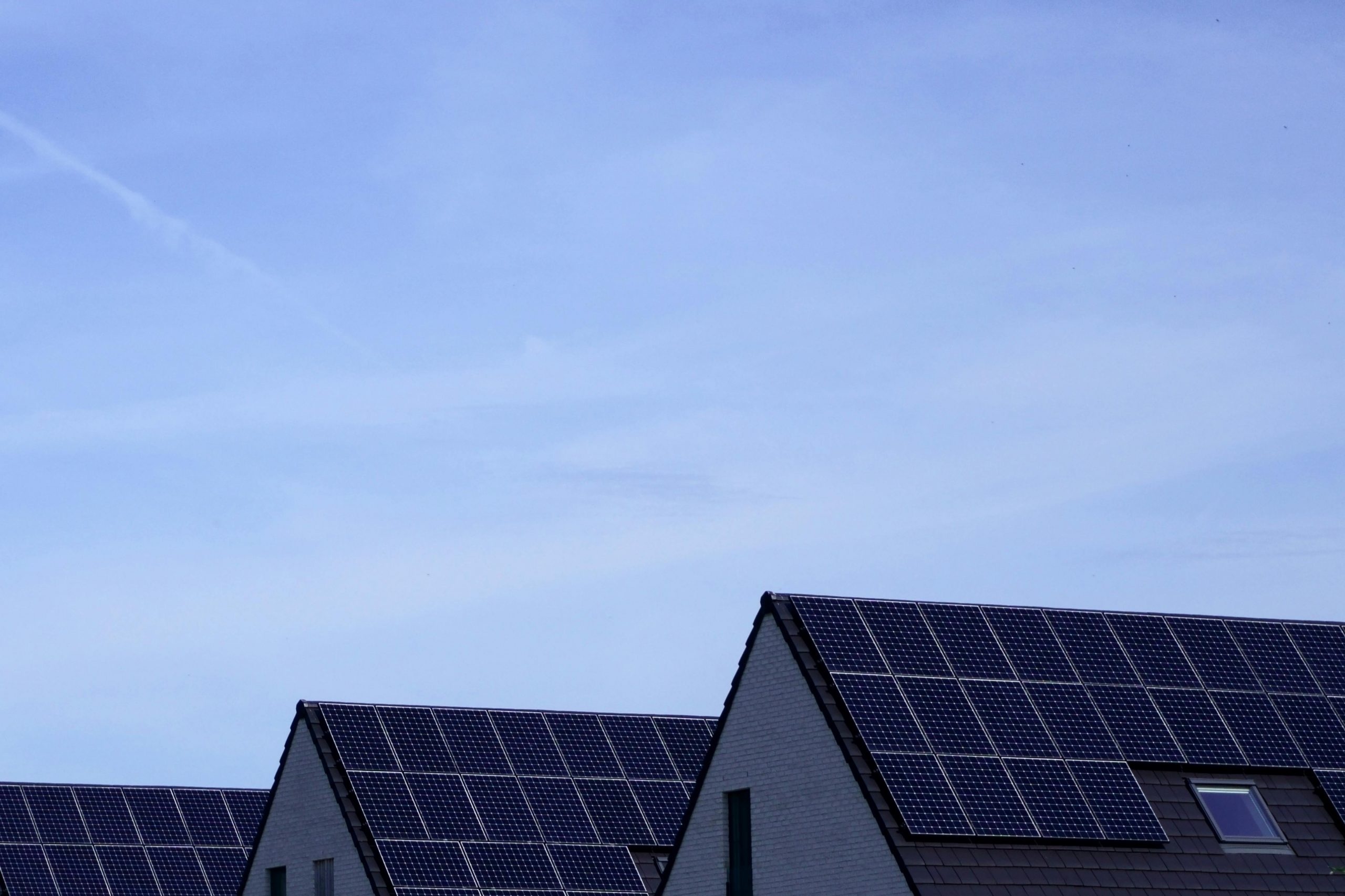
When evaluating your roof, here are the most important factors to consider:
1. Roof Material
Different roof materials affect installation complexity, long-term performance, and overall cost. Some roofs require special mounting systems or extra labor, which can increase the price of solar installation. In general, installers prefer materials that are easy to work with and durable.
- Easy-to-install materials (like asphalt shingles) reduce labor time and installation cost.
- High-durability materials (like metal or tile) can be ideal because they last as long as or longer than solar panels.
- Fragile materials (like slate or clay tiles) can require extra care and may add risk of breakage.
2. Roof Pitch and Angle
Roof pitch is the steepness of the roof and is usually expressed as a ratio (for example, 4:12) or in degrees. The pitch matters because it affects how much sunlight your panels receive and how well they can shed water and debris.
- Ideal pitch for solar: Generally 20°–40°.
- Too flat: Panels may collect dirt, snow, or water, reducing efficiency.
- Too steep: Installation becomes more difficult and expensive, and panels may require special mounting.
3. Roof Direction (Orientation)
Roof orientation determines how much direct sunlight your panels receive throughout the day.
- South-facing roofs produce the most energy in the U.S.
- West-facing roofs can still work well, especially for afternoon energy use.
- East-facing roofs can be effective but usually produce less energy than west or south.
- North-facing roofs are typically the least efficient because they receive the least direct sunlight.
4. Roof Shade and Obstructions
Shade is one of the most common reasons solar systems underperform. Even partial shade on a single panel can reduce the output of an entire string unless you use modern technology like microinverters or optimizers.
Common shading sources:
- Trees
- Chimneys
- Roof vents
- Skylights
- Nearby buildings
- Dormers or roof structures
5. Roof Age and Condition
This is often the most overlooked factor. Solar panels are built to last 25 years or more, but roofs may not. Installing solar on a roof that needs replacement soon can lead to costly and inconvenient repairs later.
Key things to check:
- Age of roof (especially if older than 15–20 years)
- Missing or damaged shingles
- Signs of water damage or leaks
- Sagging roof deck
- Visible rot or mold in the attic
The Best Roof Materials
Let’s look at the most common roof materials and how they perform with solar panels.
Asphalt Shingles (Most Common)
Asphalt shingles are the most popular roofing material in the U.S., and for good reason.
Pros:
- Easy to install solar panels on
- Affordable
- Many installers prefer working with this material
- Replacement and repairs are relatively simple
- Shingles typically last 20–30 years, matching the life of solar panels
Cons:
- Not as durable as other materials like metal or tile
- Roof may need replacement before solar installation
- Shingles can be damaged if not installed carefully
Best for: Homeowners who want a cost-effective solution and don’t mind roof maintenance.
Metal Roofs (One of the Best Options)
Metal roofs are quickly becoming a top choice for solar systems because of their strength and longevity.
Pros:
- Very durable (often lasts 50+ years)
- Lightweight and strong
- Great for standing seam metal roofs (no drilling required)
- Metal reflects heat, helping reduce cooling costs
- Great long-term value and minimal maintenance
Cons:
- Higher upfront cost than asphalt
- Not all metal roofs are ideal (e.g., corrugated or low-quality metal can be tricky)
- Requires specialized installers if not a standing seam roof
Best for: Homeowners who want long-term performance and minimal roof issues.
Tile Roofs (Terracotta or Concrete)
Tile roofs are common in warmer climates, but they require careful installation because tiles can be fragile.
Pros:
- Long lifespan (often 50+ years)
- Great for heat resistance
- Very durable and attractive
- Excellent for energy efficiency in hot climates
Cons:
- Installation is more complex and time-consuming
- Tiles can break during installation
- Costs can be higher due to labor and special mounting systems
Best for: Homeowners with a strong, well-maintained tile roof who are willing to pay more for installation.
Slate Roofs (High-End but Tricky)
Slate roofs are durable and attractive, but not always solar-friendly due to weight and fragility.
Pros:
- Extremely long lifespan
- Very durable
- Great curb appeal
- Adds significant value to the home
Cons:
- Heavy and expensive
- Solar installation is difficult and often costly
- Requires highly experienced installers
Best for: Homeowners who want solar and have a professional installer experienced with slate.
Flat Roofs (Common in Commercial Buildings)
Flat roofs are different, but they can work well for solar, especially if you want to maximize panel coverage.
Pros:
- Easy to access and maintain
- Panels can be tilted for optimal performance
- Great for maximizing roof space
- Can support large solar systems
Cons:
- Requires specialized mounting systems
- Needs careful drainage planning
- Can be more expensive due to tilt frames
Best for: Homeowners with flat roofs who want maximum panel coverage.
The Best Roof Pitch and Angle
Roof pitch refers to the steepness of your roof. It’s measured in degrees or as a ratio (like 4:12).
What Pitch Works Best?
In general:
- 20°–40° pitch is ideal for solar performance
- Flat roofs work well if panels are tilted
- Very steep roofs can be harder and more expensive to install
Why Pitch Matters
The angle of your roof affects how much sunlight hits the panels. Too steep or too flat can reduce efficiency, and it can also affect:
- How quickly snow slides off (important in cold climates)
- How much dirt and debris accumulate
- How easy it is for installers to work safely
The Best Roof Direction (Orientation)
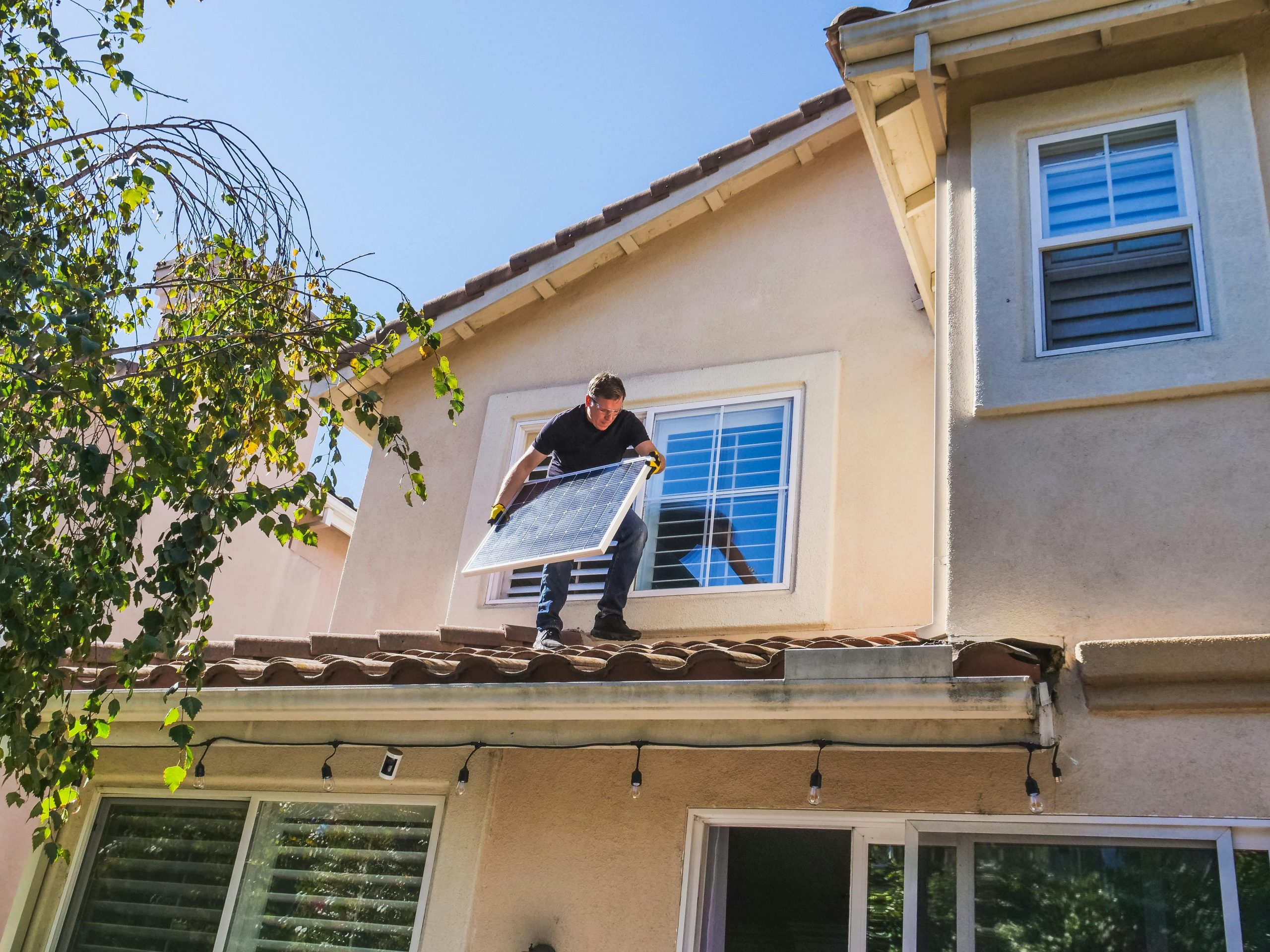
In the U.S., solar panels produce the most energy when facing south.
Best Direction for Solar Panels
- South-facing roofs are the best
- West-facing roofs are the next best
- East-facing roofs can work but produce less energy
- North-facing roofs are the least efficient
What If Your Roof Doesn’t Face South?
Don’t worry. Many homes still benefit from solar with east or west orientation. You may just need more panels to meet your energy goals.
A professional installer can help determine the best layout and number of panels to compensate for direction.
What Roof Is Best for Solar Panels: Roof Shade and Obstructions
Shade is one of the biggest reasons solar systems underperform.
What Causes Shade Issues?
- Trees
- Chimneys
- Skylights
- Nearby buildings
- Roof dormers
What to Do About Shade
- Trim trees if possible
- Use microinverters or power optimizers to reduce shading impact
- Consider partial shading layout strategies
- Plan panel placement to avoid shaded sections
What Roof Is Best for Solar Panels: Roof Age and Condition
One of the biggest mistakes homeowners make is installing solar on an old roof.
Why This Matters
Solar panels last 25+ years, but roofs don’t always last that long.
Signs Your Roof Needs Replacement Before Solar
- Missing or damaged shingles
- Visible leaks
- Roof age over 20 years
- Sagging roof deck
- Rot or mold in attic
Why You Should Replace the Roof First
- Avoid removing panels to replace roof later
- Prevent leaks under solar panels
- Ensure your system lasts as long as possible
- Protect your solar investment and warranty
What Roof Is Best for Solar Panels: Common Myths and Misconceptions
Myth 1: “My Roof Is Too Old for Solar”
Not always true. If your roof has 5–10 years left, it may still be a good candidate.
Myth 2: “Solar Panels Damage the Roof”
When installed correctly, solar panels can actually protect your roof from UV rays and weather.
Myth 3: “Solar Panels Only Work on South-Facing Roofs”
Solar panels can still perform well on east or west-facing roofs, especially with modern technology.
Questions to Ask Your Installer
Before you sign a contract, ask:
- How long will the installation take?
- Will the roof be inspected first?
- Do you recommend roof replacement before installation?
- What type of mounting system will be used?
- Will the panels affect my roof warranty?
- Do you offer performance monitoring?
How Much Does Roof Type Affect Cost?
Roof material and shape can impact installation costs significantly.
Cost Factors Include:
- Roof material (tile and slate cost more)
- Roof complexity (multiple angles, valleys, or dormers)
- Roof height and accessibility
- Mounting system type
Typical Cost Range by Roof Type
- Asphalt shingles: lowest cost
- Metal roofs: moderate cost, but lower long-term maintenance
- Tile or slate: highest cost due to complexity
What Roof Is Best for Solar Panels: How to Maximize Solar Performance
If you want the most efficient solar system, here are the best practices:
Choose the Right Roof Orientation
South-facing is best, but east or west can still work.
Reduce Shade
Trim trees and avoid shade-heavy roof areas.
Choose the Right Panel Type
Higher efficiency panels perform better in limited space.
Consider Microinverters or Optimizers
These devices help reduce performance loss from shading.
What Roof Is Best for Solar Panels: Final Verdict
So, what roof is best for solar panels?
If we had to pick a clear winner:
Best Overall Roof for Solar Panels
Metal roofs, especially standing seam metal roofs
- Durable
- Easy installation
- Long lifespan
Best Cost-Friendly Roof for Solar Panels
Asphalt shingles
- Affordable
- Common and easy to work with
Best Roof for Maximum Solar Efficiency
South-facing roofs with a 20°–40° pitch
- Best sunlight exposure
- Highest energy production
So, What Roof Is Best for Solar Panels?
The best roof for solar panels depends on your goals and your home’s condition. But in most cases, these rules apply:
- If you want low cost, asphalt shingles are ideal.
- If you want long-term durability, metal roofs are the best choice.
- If you want maximum energy production, choose a south-facing roof with a moderate pitch.
The most important thing is to ensure your roof is in good condition and can support solar panels for the next 25+ years.
If you’re unsure about your roof, a professional solar installer can help you evaluate your options and create the best plan for your home.