Hiring a roofing contractor is crucial for ensuring the safety and longevity of your home’s roof. With numerous contractors available, selecting the right one can be overwhelming. This guide highlights essential questions to help you make an informed decision and ensure your home’s roof is in capable hands.
Ensure you evaluate each contractor’s expertise and capability carefully before making a commitment.
1. What is the Contractor’s Experience and Reputation?
A. Years in Business
Consider a contractor’s experience. Long-standing contractors typically have a proven track record and adapt well to industry standards. Ask about their years in business and typical projects to assess their suitability. The longer their experience, the more likely they have honed their craftsmanship and customer service.
B. Customer Reviews and References
Evaluate a contractor’s reputation through customer reviews on platforms like Google Reviews and Yelp. Direct references offer insights into their professionalism and finished projects’ quality. Remember to take note of how contractors handle both positive and negative feedback in reviews.
C. Industry Accreditations and Certifications
Industry accreditations validate a contractor’s adherence to standards. Certifications from reputable organizations indicate expertise and commitment to high-quality work. Verify their credentials and how they stay updated. Continuous education and certification renewals reflect dedication to their craft.
2. What Type of Insurance Does the Contractor Carry?
A. Liability Insurance
Liability insurance covers potential damages or accidents on your property. Request proof and verify its validity to protect yourself from financial burdens. Ensuring the insurance is current can save you from unexpected liabilities.
B. Worker’s Compensation Insurance
Worker’s compensation insurance covers workforce injuries. Its presence reflects the contractor’s responsibility. Ask for proof to mitigate legal and financial risks of workplace accidents. This insurance reflects a commitment to worker safety and wellbeing.
C. Verification of Insurance Certificates
Verify insurance certificates with providers to ensure legitimacy and coverage. A reputable contractor will provide this documentation, ensuring you are protected. Double-checking these documents ensures that all risks are appropriately managed.
3. What is the Detailed Written Estimate for the Project?
A. Breakdown of Costs
Obtain a detailed estimate to understand project expenses and prevent unforeseen costs. Compare estimates for quality, price, and service balance. Ensure the potential for additional expenses is addressed upfront to avoid future surprises.
B. Timeline and Project Milestones
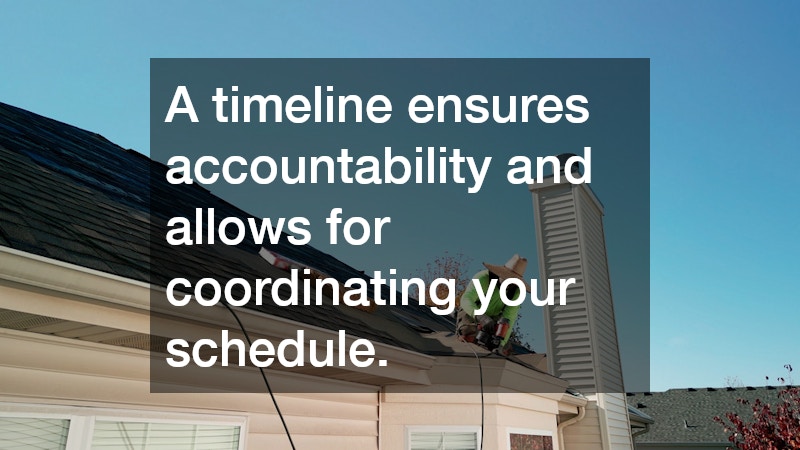
A timeline ensures accountability and allows for coordinating your schedule. Request an estimated completion date and milestones for project clarity. A clear timeline outlines expected progress and helps manage expectations.
C. Payment Schedule
The payment schedule should align with project milestones. Avoid contractors demanding full payment upfront; instead, set payment terms contingent on specific phase completions. A well-structured payment schedule reflects the project’s progress and contractor reliability.
4. What are the Contractor’s Warranty Terms?
A. Material Warranties
Discuss material warranty terms for protection against defects. This ensures material durability and peace of mind. Material warranties offer crucial assurances about product lifespan and durability. They clearly specify the conditions under which a replacement or repair can be requested.
B. Workmanship Warranties
Workmanship warranties protect against installation errors. Inquire about their terms, reflecting the contractor’s confidence and commitment. Assurance of workmanship standards shows responsibility towards quality outcomes.
C. Warranty Claim Procedures
Understand warranty claim procedures to ensure swift resolution of issues. Contractors should provide clear instructions and contact information. It is important to maintain complete documentation of all warranty claims. Ease of warranty claims greatly enhances trust in the contractor’s reliability.
5. How Does the Contractor Handle Unexpected Issues?
A. Change Order Process
A change order documents contract modifications. Ensure changes are documented to maintain transparency and minimal disruptions. Proper documentation of changes helps curb unnecessary disputes.
B. Communication and Conflict Resolution
Effective communication prevents conflicts. Expect regular updates and clear channels for inquiries to resolve issues seamlessly. Building a strong communication channel facilitates smoother project execution.
C. Contingency Planning
Discuss contingency plans for setbacks like weather delays. A prepared contractor stabilizes the project during unforeseen challenges. An established contingency plan assures preparedness for unexpected difficulties.
Hiring the right roofing contractor involves evaluating experience, verifying insurance, and understanding warranty terms. These steps lead to a successful outcome. Prioritize clear communication and expectations for a well-installed, durable roof. A well-chosen contractor ensures peace of mind and long-term satisfaction with your roofing project.