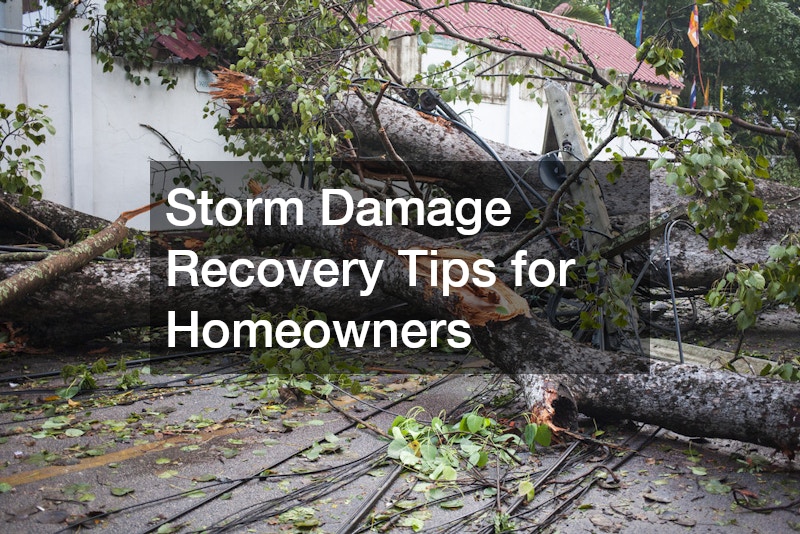
Severe storms can cause widespread damage to homes in a matter of minutes. High winds, heavy rain, hail, and falling trees often combine to create structural problems that are not always immediately visible. While some damage is obvious, such as missing shingles or broken branches, other issues like hidden roof leaks or weakened structures may only become apparent days or weeks later.
Recovering from storm damage requires a careful, step-by-step approach. Acting too quickly without proper assessment can lead to overlooked issues, while delaying repairs can result in more severe structural deterioration and costly repairs. Understanding what to inspect, when to call professionals, and how to prioritize repairs is essential for protecting your home.
This guide walks through each stage of storm recovery, from immediate safety steps to long-term roof and property restoration.
1. Prioritizing Safety and Identifying Immediate Hazards
After a storm passes, the first priority is always safety. Even if damage appears minor, hidden hazards such as electrical issues, unstable structures, or fallen trees can create serious risks.
Before inspecting your property closely, take a moment to observe the area from a safe distance. Avoid entering damaged structures until you are confident they are stable.
In many cases, tree removal service professionals are needed to address fallen or unstable trees that may be pressing against roofs, driveways, or power lines. These situations can be extremely dangerous to handle without proper equipment.
A qualified tree service can also help assess whether partially damaged trees are at risk of collapsing in future wind events.
Immediate safety steps include:
- Stay away from downed power lines or sparking electrical equipment
- Do not enter visibly damaged rooms or structures
- Watch for leaning trees or hanging branches
- Turn off utilities if you suspect damage
- Document visible issues from a safe distance
Common hidden hazards:
- Unstable roof sections weakened by wind
- Water pooling near foundations
- Broken glass or debris around entryways
- Gas leaks or electrical short circuits
Taking time to secure the area first prevents injuries and allows for a safer recovery process.
2. Evaluating Roof Condition After Severe Weather
Roofs are among the most vulnerable parts of a home during storms. High winds can lift shingles, hail can cause impact damage, and falling debris can puncture roofing materials. Even when damage is not immediately visible, water intrusion may already be occurring.
Scheduling a residential roofing service inspection after a storm is one of the most effective ways to identify hidden issues early. Professionals are trained to detect subtle signs of damage that homeowners may miss from ground level.
Signs of potential roof damage:
- Missing or curled shingles
- Debris accumulation on roof surfaces
- Water stains on interior ceilings
- Damaged flashing around vents or chimneys
- Visible sagging or uneven roof lines
Why early inspection matters:
- Prevents hidden leaks from worsening
- Reduces the risk of mold growth inside the home
- Helps support insurance claims with documentation
- Identifies structural issues before they expand
Even small areas of damage can quickly escalate if left untreated, especially after heavy rainfall.
3. Understanding When Professional Roofing Help Is Needed
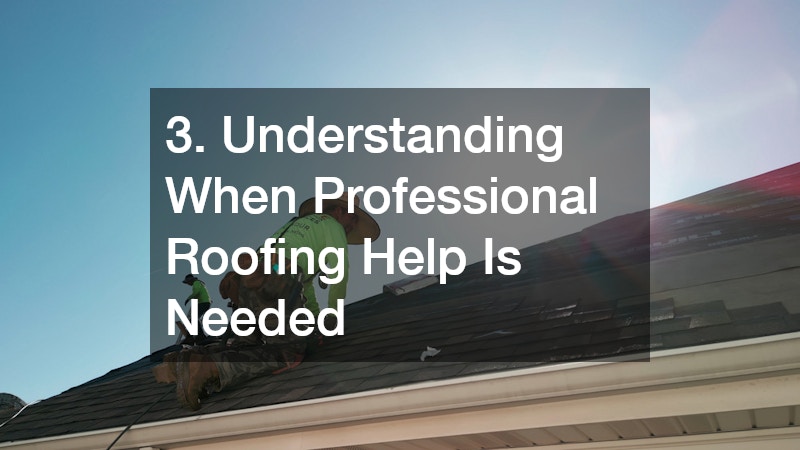
While some homeowners may feel comfortable assessing minor exterior damage, roofing systems are complex and often unsafe to evaluate without proper training. Climbing onto a storm-damaged roof can be hazardous due to weakened materials and slippery surfaces.
This is where roofing contractors become essential. They have the tools, experience, and safety equipment needed to perform detailed inspections and determine the extent of repairs required.
A residential roofing contractor can also coordinate with insurance companies and provide detailed damage reports to support claims.
When to call a professional immediately:
- Active leaks inside the home
- Visible roof sagging or structural distortion
- Widespread shingle loss
- Large fallen debris on the roof
- Uncertainty about roof stability
Benefits of professional inspection:
- Accurate damage assessment
- Safe evaluation of structural integrity
- Identification of hidden leaks
- Repair recommendations based on severity
- Proper documentation for insurance purposes
Professional evaluation ensures that no damage is overlooked during recovery.
4. Addressing Roof Damage with Timely Repairs
Once damage has been identified, prompt action is critical. Even small roofing issues can lead to significant water intrusion if not addressed quickly.
In many cases, roof repairs are sufficient to restore functionality without requiring a full replacement. These repairs focus on targeted problem areas, preventing further deterioration.
A residential roofing service can often complete emergency fixes shortly after a storm to stabilize the roof and prevent leaks from worsening.
Common storm-related repairs include:
- Replacing missing or damaged shingles
- Sealing exposed flashing or seams
- Repairing small punctures or cracks
- Reinforcing weakened roof sections
- Clearing debris that traps moisture
Why quick repairs matter:
- Prevents interior water damage
- Reduces mold and mildew risk
- Protects structural components of the roof
- Extends overall roof lifespan
- Limits repair costs over time
Delaying repairs often leads to more extensive damage that could have been avoided.
5. Knowing When a Full Roof Replacement Is Necessary
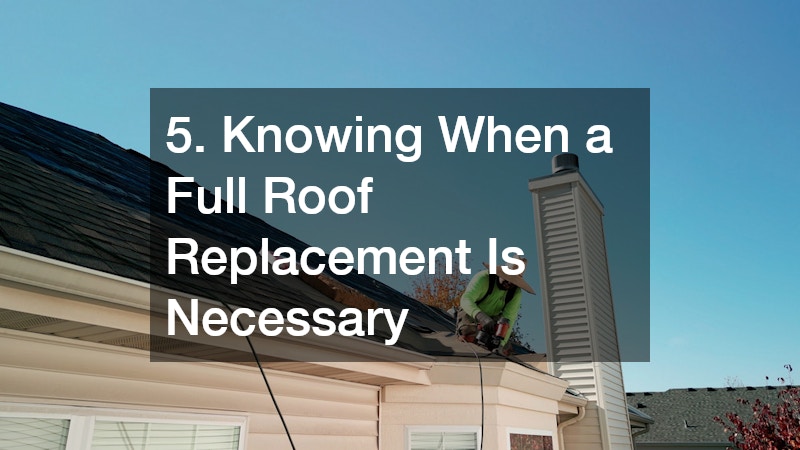
While repairs are often effective, severe storm damage may require a complete roofing replacement. This is typically the case when damage is widespread or the roof is already near the end of its expected lifespan.
A roof replacement services provider can evaluate whether repairs are still viable or if full replacement is the more cost-effective option.
Signs that replacement may be needed:
- Extensive shingle loss across large areas
- Repeated leaks after previous repairs
- Significant structural damage from falling debris
- Roof age nearing or exceeding its expected lifespan
- Widespread water damage beneath roofing layers
Benefits of full replacement:
- Restores full structural integrity
- Improves energy efficiency
- Reduces long-term maintenance costs
- Provides updated materials and warranties
- Eliminates recurring leak issues
In many cases, roof replacements are a long-term investment that improves both safety and property value.
6. Handling Fallen Trees and Storm Debris Safely
Storms often bring down trees or large branches, creating additional hazards around the property that can complicate recovery efforts beyond the initial weather damage. These fallen trees can crush roofing structures, damage siding, block driveways and access points, or even bring down power lines, creating both physical and electrical dangers. In some cases, a partially fallen tree may remain unstable for hours or even days after the storm, shifting unpredictably as wind or structural stress continues to affect it.
A tree removal service is often necessary to safely remove large or unstable trees without causing further damage. These professionals use specialized equipment such as cranes, rigging systems, and protective cutting techniques to control how each section of the tree is brought down. This controlled approach is especially important when trees are resting on roofs, vehicles, or near utility lines, where an uncontrolled fall could significantly increase repair costs or create additional hazards. Attempting to handle these situations without proper equipment or training can be extremely dangerous due to unpredictable weight distribution and weakened wood structure.
A professional tree service can also evaluate nearby trees that may have been weakened but not fully fallen. This is an important step in storm recovery because trees that appear stable on the surface may have hidden root damage, internal cracking, or compromised structural integrity. Identifying these risks early helps prevent secondary damage during future wind events and ensures the surrounding landscape does not pose an ongoing threat to the property.
Safe cleanup steps:
- Avoid standing under hanging branches: Even small limbs under tension can fall without warning, especially if they are partially broken or caught in other branches.
- Do not attempt to cut large limbs yourself: Without proper equipment and training, cutting heavy branches can result in sudden shifts or uncontrolled falls.
- Keep children and pets away from debris areas: Restricting access helps prevent accidental injury from sharp objects, unstable wood, or hidden hazards.
- Mark off dangerous zones around fallen trees: Clearly defined boundaries help ensure no one enters areas where trees may still shift or collapse.
- Wait for professionals before heavy cleanup begins: Allowing trained crews to assess and manage the situation reduces risk and ensures proper removal techniques are used.
Proper tree management is a critical part of storm recovery, especially when structural damage is involved, as it helps stabilize the property environment and prevents additional damage from occurring during cleanup or subsequent weather events.
7. Choosing Reliable Professionals After a Storm
After severe weather, demand for repair services increases quickly, and not all contractors operate with the same level of quality, responsiveness, or ethical standards. In these situations, homeowners are often under stress and may feel pressured to make fast decisions, which can lead to choosing unqualified or unreliable providers. Taking the time to properly vet contractors is essential for ensuring that repairs are done the first time correctly and that no hidden issues are overlooked during the recovery process.
Working with a local roofing company can provide faster response times and better familiarity with regional weather patterns and building codes. Local professionals are also more likely to understand the specific types of storm damage common in the area, whether that involves hurricane-force winds, hail impacts, or heavy rain systems. This familiarity often translates into more accurate assessments and more efficient repair planning, especially when time is critical.
How to choose the right contractor:
- Verify licensing and insurance coverage: This ensures the contractor meets legal requirements and protects homeowners from liability in case of accidents or property damage during the repair process.
- Request written estimates from multiple providers: Comparing detailed estimates helps homeowners understand pricing differences and ensures transparency in the scope of work and materials used.
- Check experience with storm damage repairs: Contractors with proven storm recovery experience are more likely to identify hidden damage and implement long-term solutions rather than temporary fixes.
- Review customer feedback and past work: Looking at reviews and completed projects helps gauge reliability, workmanship quality, and consistency in service delivery.
- Ensure clear communication and documentation: Proper documentation ensures that all agreed-upon work, timelines, and costs are clearly outlined, reducing misunderstandings later in the process.
Roofing contractors with storm experience are often better equipped to handle insurance coordination and emergency repairs efficiently, as they understand how to document damage properly and communicate effectively with adjusters to support claims.
Warning signs to avoid:
- Pressure to sign contracts immediately: High-pressure tactics are often used to rush decisions before homeowners can properly evaluate options or verify credentials.
- Lack of physical business address: Contractors without a verifiable location may be difficult to contact for follow-up service or warranty issues.
- Unusually low bids compared to others: Extremely low pricing can indicate shortcuts in materials, labor, or compliance with safety standards.
- No written documentation or warranty details: Without formal agreements, homeowners may have little protection if issues arise after the work is completed.
Careful selection helps ensure quality work and long-term reliability by reducing the risk of incomplete repairs, hidden costs, or recurring storm-related issues.
8. Preventing Future Storm Damage Through Maintenance
While storms cannot be prevented, homeowners can significantly reduce the severity of damage through proactive maintenance and consistent attention to vulnerable areas of the home. Many storm-related failures don’t happen solely because of extreme weather, but because existing weaknesses—such as loose shingles, clogged drainage systems, or weakened branches—are already present when the storm arrives. Regular inspections and upkeep help identify these vulnerabilities early, giving homeowners time to address them before they escalate under pressure from wind, rain, or debris.
Preventative maintenance steps:
- Schedule annual roof inspections: Regular professional inspections help identify early signs of wear, such as lifted shingles, small leaks, or weakened structural areas that may not be visible from the ground. Catching these issues early reduces the chance of water intrusion during heavy storms.
- Clean gutters and drainage systems regularly: Blocked gutters can cause water to overflow and pool near the roofline or foundation, increasing the risk of leaks and structural water damage. Keeping drainage pathways clear ensures water flows away from the home efficiently.
- Trim overhanging tree branches near the home: Branches that hang too close to the roof or siding can break during storms and cause significant impact damage. Reducing canopy overhang also minimizes debris accumulation on the roof.
- Repair small roofing issues promptly: Minor problems like loose shingles or cracked seals may seem insignificant, but they often worsen quickly during severe weather. Timely repairs help maintain the roof’s protective barrier.
- Reinforce flashing and sealing areas: Weak points around chimneys, vents, and roof edges are common entry points for water. Strengthening these areas improves resistance to wind-driven rain and prevents leaks during storms.
Keeping up with maintenance helps minimize the likelihood of major damage during future storms by ensuring that the home’s most vulnerable systems are already reinforced and functioning properly when severe weather arrives.
Conclusion
Recovering from storm damage requires a careful balance of immediate safety actions, professional evaluation, and timely repairs. From handling fallen trees and assessing roof damage to determining whether repairs or full replacement are needed, each step plays an important role in restoring your home.
By working with qualified professionals and staying proactive with maintenance, homeowners can reduce the long-term impact of severe weather and better protect their property against future storms.