This article explores common roofing terms to enhance understanding of various components and processes. For homeowners, understanding roofing terms aids in clear communication with contractors and informed decisions on roofing projects. Whether evaluating materials, energy efficiency, or planning installation, knowledge of roofing terms and procedures is essential.
This guide covers roofing materials, insulation, key components, maintenance, and installation steps. Gain insights into roofing intricacies by diving into each section.
1. Roofing Materials
1.1 Asphalt Shingles
Asphalt shingles are affordable and versatile, made of a fiberglass mat coated with asphalt and granules. They offer durability, weather protection, and come in various colors to enhance home aesthetics. Regular debris removal and shingle replacement prolong their lifespan.
1.2 Metal Roofing
Metal roofs, including aluminum, copper, and steel, offer durability and can last over 50 years. Made from recycled materials, they are eco-friendly and reflect heat, reducing cooling costs. Inspections for rust and panel separation are recommended to prevent leaks.
1.3 Tile Roofing
Tile roofs, made from clay or concrete, resist fire, insects, and rot. They come in various styles to match different architectures. Proper structural support is needed for their weight, and regular maintenance ensures longevity.
1.4 Wood Shingles
Wood shingles offer natural aesthetics and insulation. They require maintenance and treatment for durability. Made from cedar, redwood, or pine, they appeal to eco-conscious homeowners but can be costlier to install.
1.5 Slate Roofing
Slate is a durable, premium material lasting over a century. It resists fire and weather damage, offering a distinctive look. Installation requires expertise due to its weight; minimal maintenance involves inspecting for broken or loose tiles.
2. Roof Insulation Importance
2.1 Types of Insulation
Insulation materials include fiberglass, cellulose, spray foam, and rigid foam, each with benefits. Fiberglass is affordable, spray foam seals well, and cellulose is eco-friendly. Choose insulation based on climate, budget, and requirements.
2.2 Energy Efficiency
Proper insulation reduces heat transfer, lowers energy costs, and improves indoor air quality. Regular insulation upgrades enhance home comfort and energy savings.
2.3 Installation
Insulation installation involves measuring space, cutting materials, and placing them securely. Professional application is recommended for spray foam to prevent gaps and ensure effectiveness.
2.4 Cost vs. Benefits
Initial insulation costs vary; long-term savings often offset them. Evaluate cost versus benefits to balance budget and energy-saving goals.
2.5 Insulation and Weather
Insulation effectiveness depends on climate. High R-value insulation prevents heat loss in cold regions, while reflective materials reduce heat gain in warm areas.
3. Key Roofing Components
3.1 Roof Decking
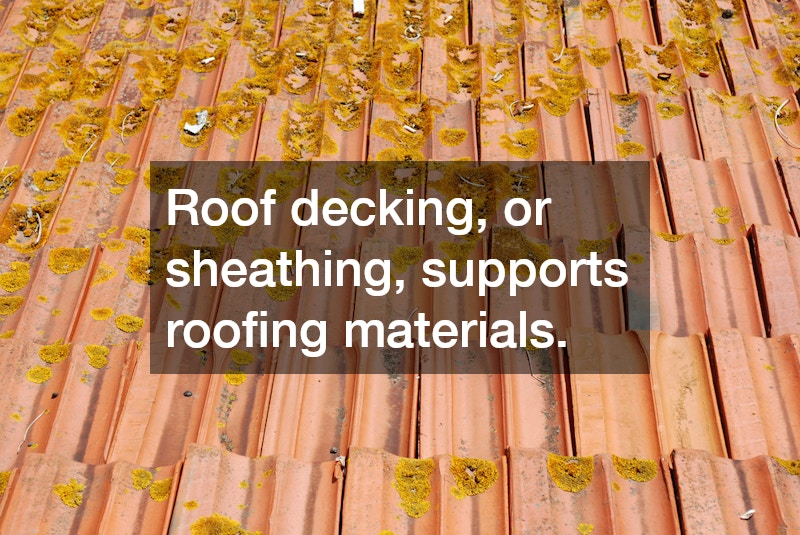
Roof decking, or sheathing, supports roofing materials. Made from plywood or OSB, it provides a structural base, distributes weight, and enhances durability.
3.2 Underlayment
Underlayment acts as a moisture barrier between decking and shingles. Regular inspections maintain its effectiveness against leaks.
3.3 Flashing
Flashing prevents water penetration at roof junctions. Made of metal or rubber, it redirects water from vulnerable areas. Regular maintenance is vital.
3.4 Ventilation
Proper ventilation regulates attic airflow, preventing heat and moisture buildup. Solutions include soffit, ridge, and gable vents.
3.5 Gutters and Drainage
Gutters manage rainwater, preventing foundation erosion. Regular cleaning and inspection prevent water damage and clogs.
4. Roof Maintenance
4.1 Inspection
Inspect for damage signs like missing shingles. Check flashing and seals; conduct inspections bi-annually and after major weather events.
4.2 Cleaning
Cleaning prevents debris buildup and moisture traps. Safety measures are important during tasks, like using proper equipment.
4.3 Repair
Repair involves replacing shingles, fixing leaks, and resealing. Engage professionals for extensive repairs.
4.4 Seasonal Maintenance
Spring involves debris removal; summer focuses on heat damage; winter preparation includes cleaning gutters and inspecting insulation.
4.5 Professional Assessment
Regular professional assessments identify roof issues and offer solutions. Engaging professionals ensures quality repairs.
5. Roof Installation Steps
5.1 Planning and Design
Plan by assessing size, pitch, style, and climate. Consider budget, aesthetics, and codes. Professional advice enhances project alignment.
5.2 Removing Old Roofing
Remove old materials carefully. Proper disposal is essential to prevent structural damage.
5.3 Installation of New Materials
Laying underlayment prevents moisture penetration. Secure alignment and fastening ensure performance and longevity.
5.4 Final Inspection
Inspect for uniformity and secure fastening. Ensure ventilation and drainage elements function properly.
5.5 Permitting and Regulations
Understand legal requirements and obtain permits before starting. Compliance prevents delays.
This guide offers key insights into roofing management. By making informed decisions, you can ensure that your roof is not only durable and efficient but also enhances both value and safety.