Asphalt shingle roofing remains the most popular choice for residential properties across the country due to its affordability, durability, and aesthetic versatility. However, even the highest-grade asphalt shingles can fail prematurely if they’re improperly installed. A single missed detail during installation can lead to water intrusion, structural damage, mold growth, and costly repairs. Professional contractors understand that precision, proper technique, and strict adherence to manufacturer specifications are essential for a long-lasting roof.
When homeowners hire experienced roofing companies in Nixa, MO, they expect top-tier craftsmanship that withstands severe weather, heavy rain, and seasonal temperature shifts. Below is a comprehensive look at how top-tier roofing professionals prevent critical errors during every phase of an asphalt shingle installation.
Conducting Comprehensive Pre-Installation Inspections
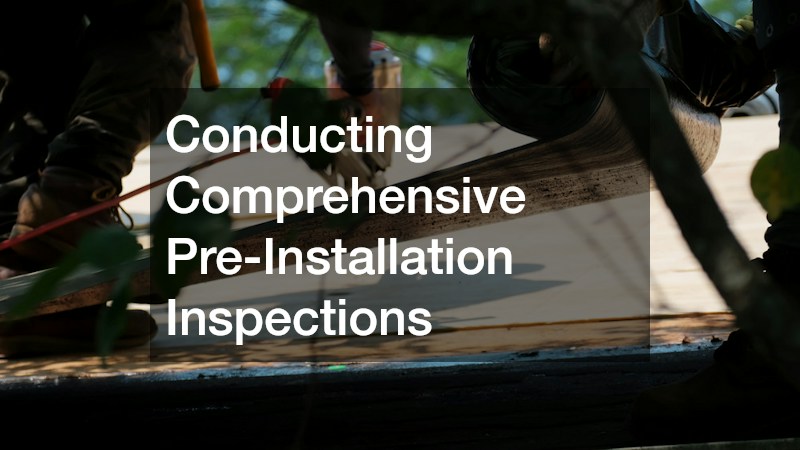
Avoiding installation mistakes begins long before the first shingle is nailed down. Professional roofing crews perform detailed pre-installation site inspections to evaluate the condition of the home’s roof deck. A major mistake in roofing is installing new shingles over rotted, warped, or damaged plywood decking. Qualified contractors inspect the entire substrate for moisture damage, structural sagging, and soft spots.
If damaged decking is identified, it is immediately removed and replaced. Additionally, installers verify that the decking meets thickness requirements and is properly secured to the roof rafters. Skipping this step undermines the entire roof system, leading to uneven surfaces, loose fasteners, and eventual structural failure.
Installing High-Quality Underlayment and Ice/Water Shields
Shingles serve as the primary line of defense against the elements, but the underlayment acts as a critical secondary waterproof barrier. A common amateur mistake is relying on low-grade felt paper or skimping on moisture protection in vulnerable areas. Leading roofing companies in Nixa, MO prevent moisture penetration by installing synthetic underlayments, which offer far greater tear resistance, UV protection, and water repellency than traditional felt.
Furthermore, professionals apply self-adhering ice and water shields along critical roof zones like valleys where two slopes meet, and water runoff is heaviest; eaves and rakes where ice dams or wind-driven rain can force water under shingles; and flashing junctions around chimneys, skylights, and vent pipes. Proper overlap of underlayment seams is also carefully calculated, typically requiring a minimum of two to four inches on horizontal laps and six inches on end laps to ensure continuous waterproofing.
Mastering Flashing Details and Counter-Flashing
Flashing failures are among the leading causes of roof leaks. Improperly installed, reused, or missing metal flashing around roof penetrations creates immediate pathways for water intrusion. To prevent leaks, professional installers never reuse old, corroded flashing.
They install step flashing along walls and chimneys, weaving individual metal pieces with each course of shingles to ensure water is shed outward rather than directed underneath the roofing materials. Around pipe boots and roof vents, contractors apply high-grade sealant and marine-grade boots designed to flex with temperature fluctuations without cracking.
Adhering to Precise Nailing Patterns and Depth
Nailing technique is one of the most technical aspects of asphalt shingle installation. Incorrect fastener placement or depth can void manufacturer warranties and lead to shingle blow-offs during high winds. Professional roofing specialists avoid fastening mistakes by driving nails directly into the designated nail strip on each shingle, as placing nails too high prevents them from catching the underlying shingle layer and drastically reduces wind resistance.
Fastener depth must also be carefully controlled so that nails are driven flush with the shingle surface. Over-driven nails puncture the shingle mat and create leak paths, while under-driven nails stick up and can cut into the shingle layer above them. While four nails per shingle is standard, high-wind zones or steep-slope roofs require a six-nail pattern to meet manufacturer specifications and local building codes.
Ensuring Accurate Shingle Alignment and Overlap
Visual appeal and functional protection both rely on straight, precise shingle courses. Installing shingles off-level creates inconsistent shadow lines and exposes underlying seams to rainfall.
Experienced crews use chalk lines across the roof deck to maintain perfect horizontal and vertical alignment. They also strictly observe proper offset patterns, staggering shingle end-joints between four and six inches from course to course. Aligning joints directly above one another is a severe mistake that allows water to flow straight down to the underlayment.
Prioritizing Ventilation and Attic Airflow
A roof system extends beyond what is visible on the outside. Failing to address attic ventilation is a subtle mistake that can ruin an asphalt shingle roof from the inside out. Trapped heat and moisture in an unventilated attic bake shingles from below, causing them to blister, curl, and age prematurely.
In winter, condensation trapped in the attic leads to mold, deck rot, and ice damming. Top roofing companies in Nixa, MO calculate the exact net free ventilating area required for each home, balancing intake air through soffit vents with exhaust air through ridge vents or static louvers to ensure continuous airflow.
Preventing asphalt shingle installation mistakes requires technical knowledge, quality materials, and meticulous attention to detail at every step. From replacing damaged deck boards and applying synthetic underlayment to executing flawless nailing patterns and balancing attic ventilation, professional contractors build roof systems designed to last for decades. By adhering to strict manufacturer guidelines and local building codes, professional roofing contractors protect homeowners from unnecessary repair costs, maintaining structural integrity and peace of mind for years to come.