Your home is one of your most significant financial investments, and the roof overhead acts as its primary defense against nature. From scorching summer sun to heavy rain, wind, and winter ice, your roofing system endures constant environmental stress. Over time, every homeowner faces a critical dilemma: is it better to fix localized damage with a quick targeted fix, or is it time to invest in a complete overhaul? Making the right decision requires looking beyond surface-level aesthetics and understanding the structural health, age, and long-term costs associated with your home’s exterior.
Choosing between fixing damage and installing a new system can save you thousands of dollars while protecting your home from catastrophic structural issues. A minor leak left unchecked can rot underlying decking, ruin insulation, and promote mold growth within walls, while prematurely replacing a sound structure wastes valuable financial resources. In this comprehensive guide, we will walk you through the structural indicators, financial calculations, and practical evaluation methods needed to diagnose your roof’s condition accurately. By understanding what to look for and how professionals assess damage, you can make a confident, cost-effective choice for your property.
Inspect Shingle Grain Loss and Age Indicators
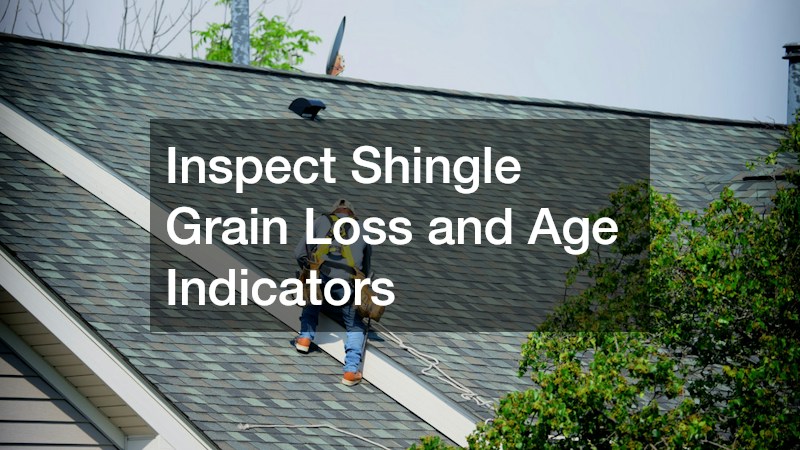
Granule loss is one of the clearest visual indicators that an asphalt shingle system is approaching the end of its functional life. As shingles age, exposure to ultraviolet rays, rainfall, and thermal expansion causes the protective mineral coating to loosen and wash away through your gutter downspouts. When you clear out your gutters during routine maintenance, pay close attention to the sheer volume of dark, coarse sand sitting at the bottom of the channels. A small amount of loose sediment is typical for new installations shedding surplus factory material, but heavy accumulation in mature systems means the underlying asphalt substrate is exposed to solar radiation, leading to brittleness and cracking.
Beyond granule accumulation, physical distortion of individual shingles indicates structural compromise across the deck. Take a step back from your home and examine the roofline from the ground using binoculars to check for edge curling, cupping in the middle, or missing tabs. When shingles begin to cup or curl upward around the edges, they lose their water-shedding capability and become exceptionally vulnerable to wind uplift during sudden storms. Consulting a local roofer to perform a thorough exterior check can help determine whether these age signs are confined to one weather-beaten slope or spread across the entire structure. A trusted roofing company will measure the flexibility of the remaining material to see if targeted maintenance can buy you a few more years or if full replacement is necessary.
Evaluate Storm Damage and Missing Components
Severe weather events often inflict localized destruction that demands immediate attention to prevent interior water infiltration. High-speed winds can catch the undersides of aged or improperly nailed shingles, tearing complete tabs away and leaving the underlayment fully exposed to heavy rains. Hail impacts create concentrated fractures in asphalt and wood shake materials alike, bruising the protective layers and creating invisible pathways for water to seep beneath the surface. After major severe weather moves through your neighborhood, a prompt visual check of the roof slope, valleys, and grounds can identify missing components before interior ceiling stains reveal severe leak paths.
Promptly scheduling necessary roof repairs prevents isolated wind damage from cascading into widespread deck rot and compromised structural framing. When addressing missing components, reputable roof repair companies will inspect the surrounding flashings around chimneys, pipe boots, and skylights to ensure the storm did not disrupt critical waterproof seals. Patching isolated damage is often the most sensible approach if the rest of the covering remains structurally sound and within its expected service lifespan:
-
Missing Shingle Sections: Replacing isolated wind-torn shingles before underlying felt underlayment degrades.
-
Damaged Flashing Strips: Resealing or swapping out corroded aluminum or step flashing along vertical wall intersections.
-
Cracked Pipe Boots: Replacing rubber neoprene collar seals that have cracked due to UV exposure around plumbing vents.
-
Impact Fractures: Spot-repairing hail-damaged areas where protective granules were forced out by impact pressure.
Taking care of these minor issues quickly stops moisture from penetrating deeper into your framing. Once repairs are complete, continuing routine seasonal checks ensures that no secondary vulnerabilities go unnoticed.
Trace Active Leaks to Prevent Rot
Finding water dripping from a ceiling light fixture or pooling on an attic floor is a homeowner’s worst nightmare, but the origin of a leak is rarely directly above the stain. Water is opportunistic; it enters through small cracks in exterior cladding, travels along slanted rafters, and eventually drops through the lowest point in your drywall ceiling. To trace active leaks effectively, inspect your attic during a heavy downpour with a bright flashlight, looking along rafters, roof sheathing, and insulation for damp tracks, dark water stains, or damp insulation batts. Early detection prevents hidden moisture from rotting the wood framing supporting your roof structure.
When tracing moisture pathways becomes difficult, hiring a licensed residential roofer provides the technical expertise and specialized moisture-detection tools necessary to isolate hidden entry points. Experienced technicians utilize infrared cameras and moisture meters to map out dampness behind finished walls and beneath underlayment without causing unnecessary tear-outs. If the leak stems from a simple flashing failure or a single displaced vent boot, a localized repair can completely solve the issue at a fraction of the cost of a full overhaul. However, if water penetration is active across multiple distinct zones of the roof structure, it typically points to systemic underlayment failure, indicating that a total replacement is required to safeguard your living space.
Audit Attic Insulation and Ventilation Airflow
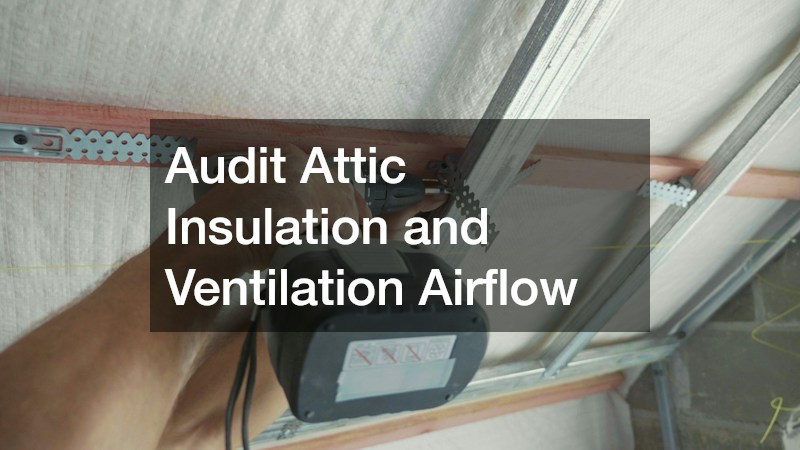
Proper roof performance depends heavily on balanced ventilation and insulation beneath the roof deck within your attic space. Without adequate air intake through soffit vents and exhaust through ridge or gable vents, heat and moisture build up inside the home’s top levels. During summer, trapped hot air bakes shingles from the underside, dramatically accelerating granule loss and causing materials to fail years ahead of schedule. During winter months, warm air escaping into cold attics melts snow on the upper roof deck, sending meltwater down to freeze at the cold eaves, creating damaging ice dams that force water up underneath shingles.
Engaging a qualified residential roofing contractor to conduct a comprehensive attic ventilation audit helps identify temperature discrepancies and airflow restrictions before severe structural damage occurs. A well-designed attic system maintains a balanced temperature close to the outdoor ambient temperature year-round:
-
Soffit Intake Vents: Unobstructed openings along the lower eaves that draw cool, fresh air into the lower attic space.
-
Ridge Exhaust Vents: Continuous ridge caps or static louvers installed along the peak that vent hot, moist air outdoors.
-
Baffle Installation: Rigid plastic chutes that keep attic insulation from blocking soffit openings and restricting airflow.
-
Vapor Barrier Seals: Airtight seals around light fixtures, attic hatches, and ductwork to prevent warm household air from entering the attic.
Achieving a balanced combination of intake and exhaust ventilation prevents structural moisture accumulation and extends the lifespan of your exterior materials. Addressing ventilation shortfalls alongside surface maintenance ensures your home stays energy-efficient and structurally sound through extreme temperature swings.
Calculate Remaining Lifespan and Historical Maintenance
Every exterior covering material comes with a finite service life, and understanding where your current structure falls on its timeline is vital for smart financial planning. Standard three-tab asphalt shingles generally last between 15 and 20 years, while architectural asphalt shingles offer enhanced durability lasting 25 to 30 years under optimal maintenance regimes. Specialty materials like standing-seam metal, clay tile, or natural slate can endure for 50 years or more, provided their underlying mounting hardware and waterproof membranes remain fully intact. Reviewing installation records, permits, and past service invoices allows you to evaluate your roof’s age against its expected performance life accurately.
When a mature roof system requires frequent fixes, analyzing past maintenance invoices often reveals that ongoing patch jobs are becoming financially inefficient. Hiring experts for local roofing services can help you evaluate whether continued patching remains cost-effective or if complete system replacement makes better economic sense. If your asphalt system is over 20 years old and experiencing widespread structural fatigue, patching isolated spots only delays the inevitable while risking costly internal water damage. A professional evaluation weighs historical repair expenses against the long-term protection, warranty benefits, and energy efficiency provided by a modern, fully warranted replacement system.
Remove Organic Growth to Uncover Decking Damage
Dark streaks, vibrant green moss patches, and lichen growth on asphalt shingles are more than simple cosmetic annoyances; they represent active biological growth that damages your roof. Moss acts like a thick sponge, trapping moisture directly against shingle surfaces and preventing water from shedding cleanly off the roof slope. During freezing temperatures, this absorbed water expands, lifting shingle edges, loosening granules, and cracking the flexible asphalt layers underneath. Left unchecked, roots from moss and lichens penetrate deep into the material substrate, destroying structural integrity and allowing water to reach the wooden sheath boards beneath.
Scheduling professional roof and house washing using low-pressure soft-wash techniques eliminates organic infestations without damaging fragile shingles. High-pressure power washing should never be used on asphalt roofs because the aggressive water pressure strips off protective surface granules and tears aging shingles:
-
Low-Pressure Chemical Treatment: Applying specialized biodegradable solutions that kill moss, algae, and lichen roots safely at the microscopic level.
-
Gentle Low-Pressure Rinse: Removing dead organic debris and surface stains using soft, low-pressure water streams.
-
Proactive Inhibitor Application: Spraying preventative treatments to impede future spores from colonizing the roof surface.
-
Complete Gutter Clearing: Flushing out washed-off debris from gutters and downspouts to guarantee unimpeded water drainage.
Once organic growth is safely removed, homeowners gain an unobstructed view of the shingle surface to evaluate true material conditions. Identifying underlying decay early lets you fix minor damage before mold spreads to interior decking and support joists.
Analyze Cost Differences Between Patching and Overhauling
Deciding between a minor patch job and a full structural overhaul comes down to comparing immediate out-of-pocket costs against long-term financial value. A simple localized repair usually carries low upfront costs, making it an ideal choice for addressing minor, storm-induced damage on an otherwise healthy, mid-lifespan roof. However, continuously spending money on frequent patches across an aging, deteriorating system quickly becomes a bad investment that offers no long-term warranty protection. Homeowners must weigh immediate budget limits against the long-term risk of unexpected water damage and rising labor expenses.
Consulting multiple established roofing companies allows you to gather detailed estimates, compare material warranties, and evaluate long-term installation costs side by side. A complete replacement requires a larger initial investment, but it delivers decades of reliable protection, improved energy efficiency, and full manufacturer warranties covering both materials and labor. Furthermore, installing a brand-new roof instantly boosts your home’s curb appeal and market value, allowing you to recoup a significant portion of your investment if you plan to sell. Evaluating both immediate repair expenses and long-term full replacement costs helps you make an informed decision that fits your household budget.
Explore Modern Material Upgrades and Longevity
When a full structural replacement is necessary, homeowners are no longer restricted to traditional three-tab asphalt options. Modern manufacturing technology offers advanced materials engineered for exceptional weather resistance, high thermal reflectivity, and long-term durability. Synthetic slate, composite tiles, architectural asphalt shingles, and standing-seam steel or aluminum options give property owners flexible choices tailored to their local climate and visual preferences. Upgrading to advanced, impact-resistant materials can also qualify your home for annual homeowner insurance discounts, lowering overall ownership costs over time.
Investing in a premium metal roof install provides maximum defense against severe weather, high winds, and fire hazards while lasting up to 50 years or more. Metal roofing systems reflect solar radiant heat efficiently, reducing summer cooling costs while offering exceptional strength against heavy snow loads and torrential rain:
-
Standing Seam Systems: Concealed fastener designs that prevent water leaks by eliminating exposed screw holes across the roof surface.
-
Modular Metal Shingles: Stamped metal panels that replicate the visual look of traditional slate, wood shake, or clay tiles with superior durability.
-
Corrugated Metal Panels: Cost-effective metal options ideal for high-pitch applications, agricultural structures, or modern architectural home styles.
-
Coated Aluminum Systems: Specialized rust-proof panels specifically designed for coastal properties exposed to salt-laden air.
Although premium materials carry a higher initial installation price, their long lifespan and minimal maintenance requirements deliver outstanding long-term value. Exploring alternative material options helps ensure your new installation delivers lasting protection for decades to come.
Prepare Your Property for Professional Inspection
Before a qualified professional steps onto your property, taking a few proactive prep steps ensures a thorough, productive, and safe evaluation process. Start by clearing stored belongings away from perimeter walls, patio furniture, and driveways so inspectors have easy ladder access to eaves and roof edges. Indoors, clear access routes to your attic hatch and move stored personal items away from light fixtures directly beneath the roof deck. Documenting existing leak points, internal water stains, and structural concerns beforehand gives technicians a clear list of trouble spots to examine during their site visit.
A thorough physical evaluation includes assessing structural components from both inside the attic space and outside on the roof deck. Professionals inspect timber rafters for sagging, check plywood sheathing for water rot, evaluate metal step flashing along sidewalls, and verify that all roof penetrations are sealed tight. They also examine perimeter drip edges, gutter alignments, and underlayment conditions to identify hidden moisture pathways. Providing clear, unobstructed access allows inspectors to deliver an accurate diagnostic report, complete with precise cost estimates and reliable repair recommendations tailored to your home.

Plan Seasonal Timing to Maximize Savings
The timing of your roofing project significantly impacts overall labor pricing, material delivery schedules, and installation quality. Late summer and early autumn represent peak demand seasons for contractors, as homeowners rush to finish repairs before winter storms arrive. High seasonal demand often leads to longer project wait times, premium labor pricing, and tighter contractor availability. Planning your project during off-peak windows—such as late winter or early spring—can unlock flexible scheduling options and better competitive pricing on materials and labor.
Weather conditions directly affect how well roofing materials install and seal. Asphalt shingles require ambient heat and direct sunlight to activate their self-sealing adhesive strips, ensuring individual shingles bond securely against wind uplift. Installing asphalt products in freezing temperatures requires manual hand-tabbing with specialized roof cement, adding labor steps and increasing overall installation time. Aligning your project schedule with dry, moderate seasonal weather guarantees proper material installation, keeps labor costs down, and ensures your home stays protected without unexpected delays.
Determining whether your home needs a targeted fix or a complete replacement depends on careful evaluation of structural age, damage severity, and overall financial goals. While isolated storm damage on a relatively new roof is easily fixed with localized patches, widespread material degradation, granule loss, and recurring internal leaks point to full replacement. Taking time to inspect shingle conditions, audit attic airflow, and monitor moisture paths ensures you catch structural vulnerabilities early. Protecting your roof framing today preserves your property’s value, shields your living spaces from severe weather, and ensures peace of mind for decades to come.